Interactive Experience
All interactive pieces are designed for large-scale indoor or outdoor presentation
All interactive pieces are designed for large-scale indoor or outdoor presentation
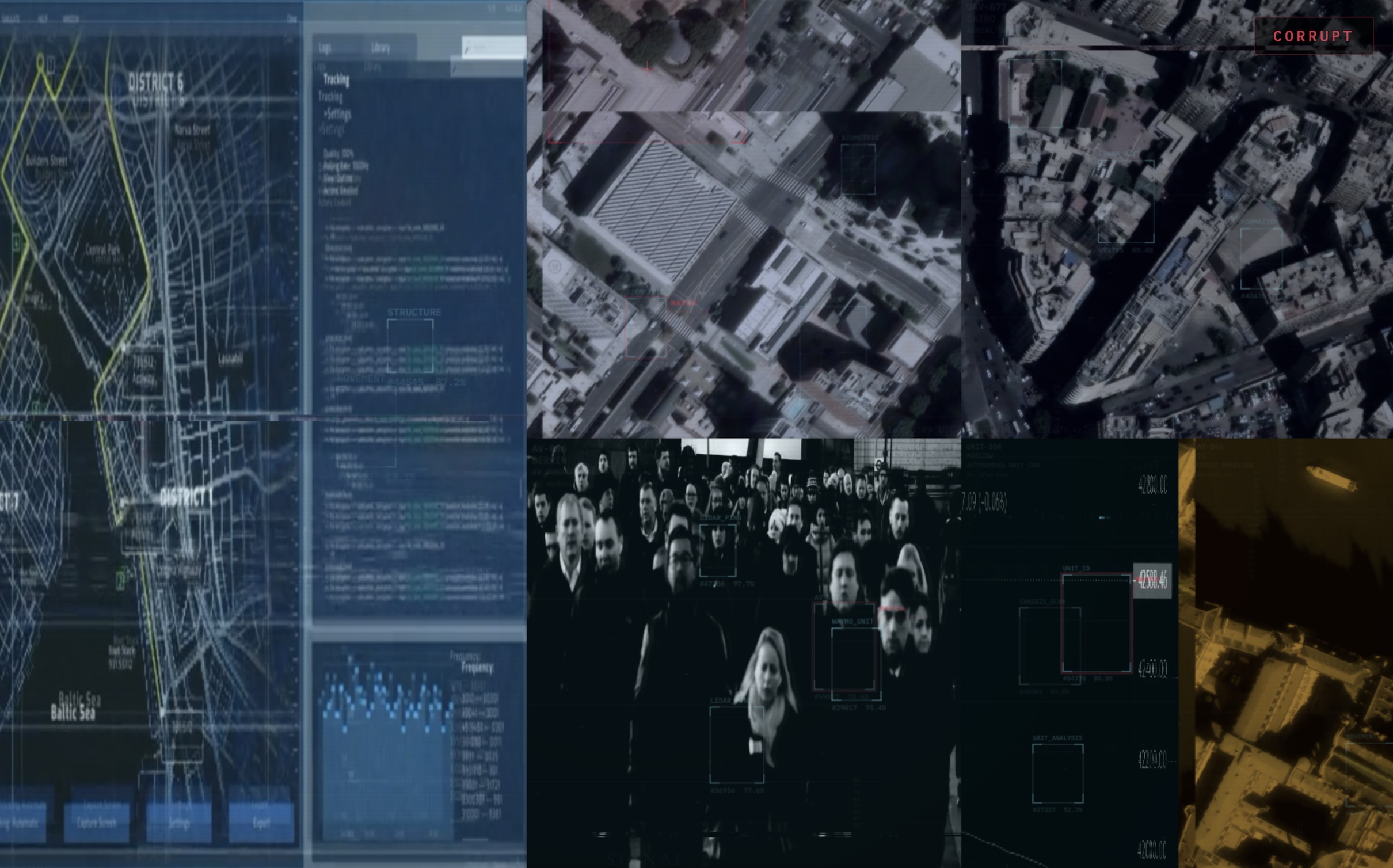
Signal — a multi-feed surveillance installation with live satellite imagery.
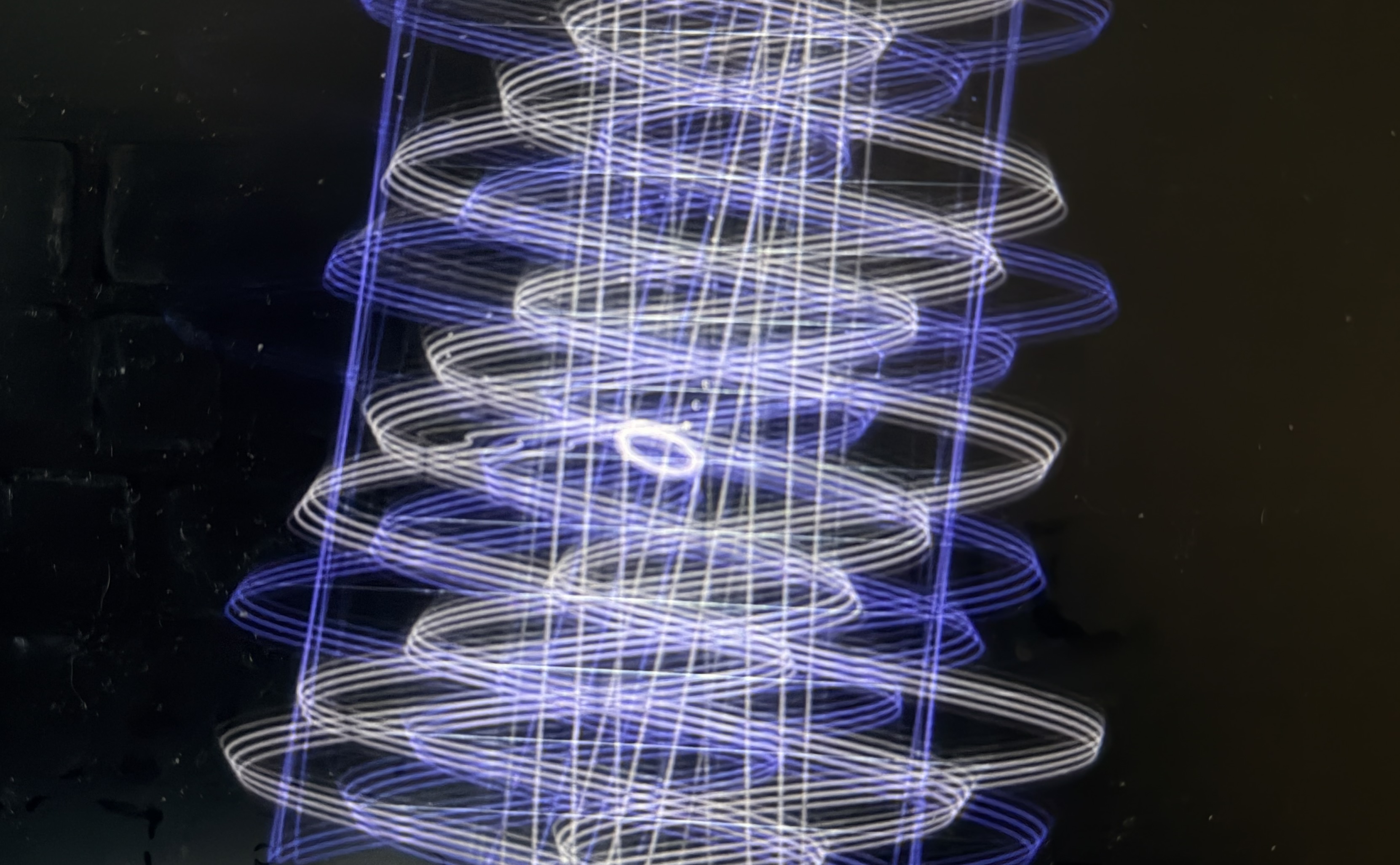
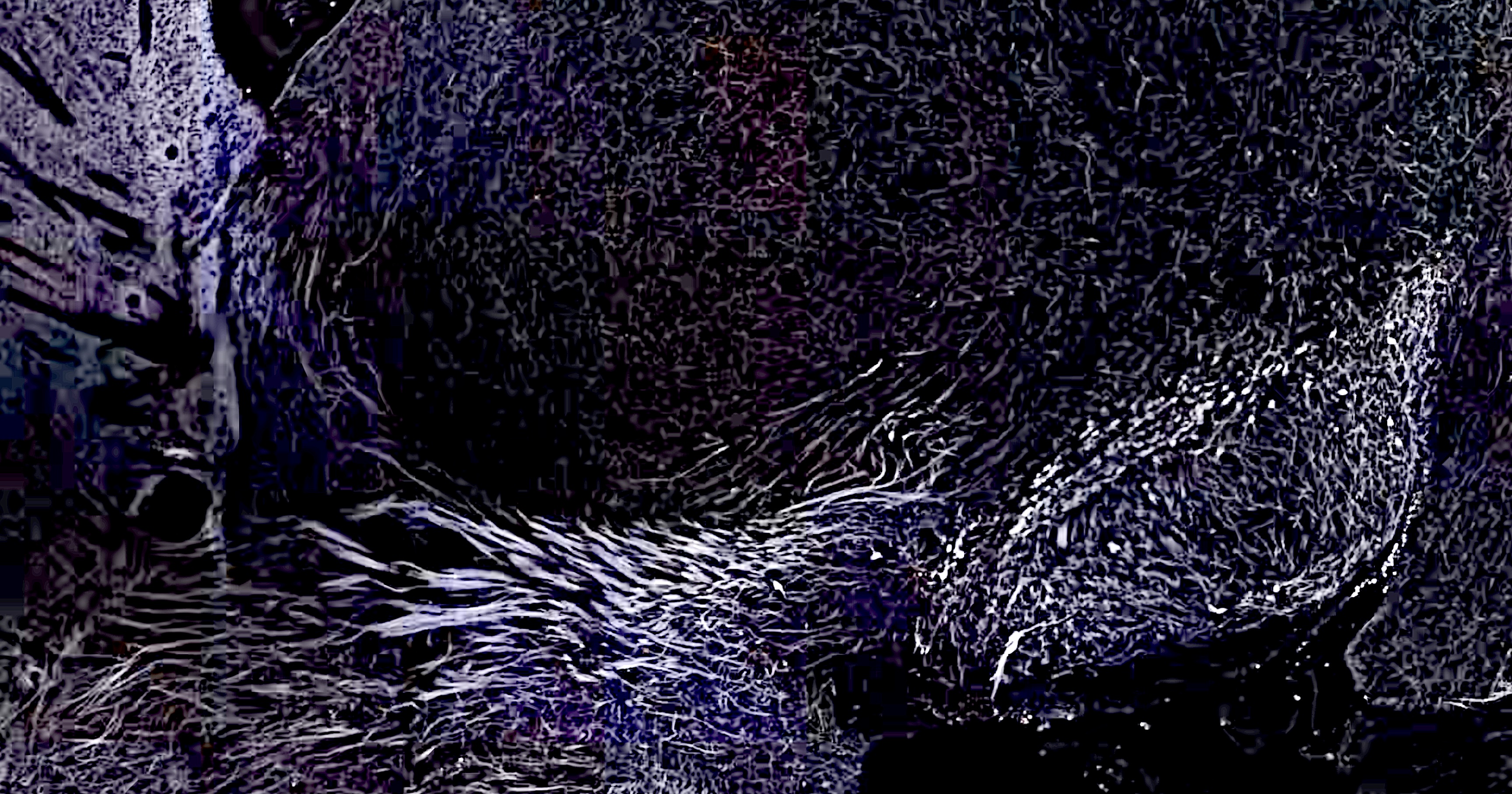
Particle Paths — 220,000 GPU particles form radiant neural filaments through emergent turbulence, synaptic pulses, and Hebbian trail reinforcement.
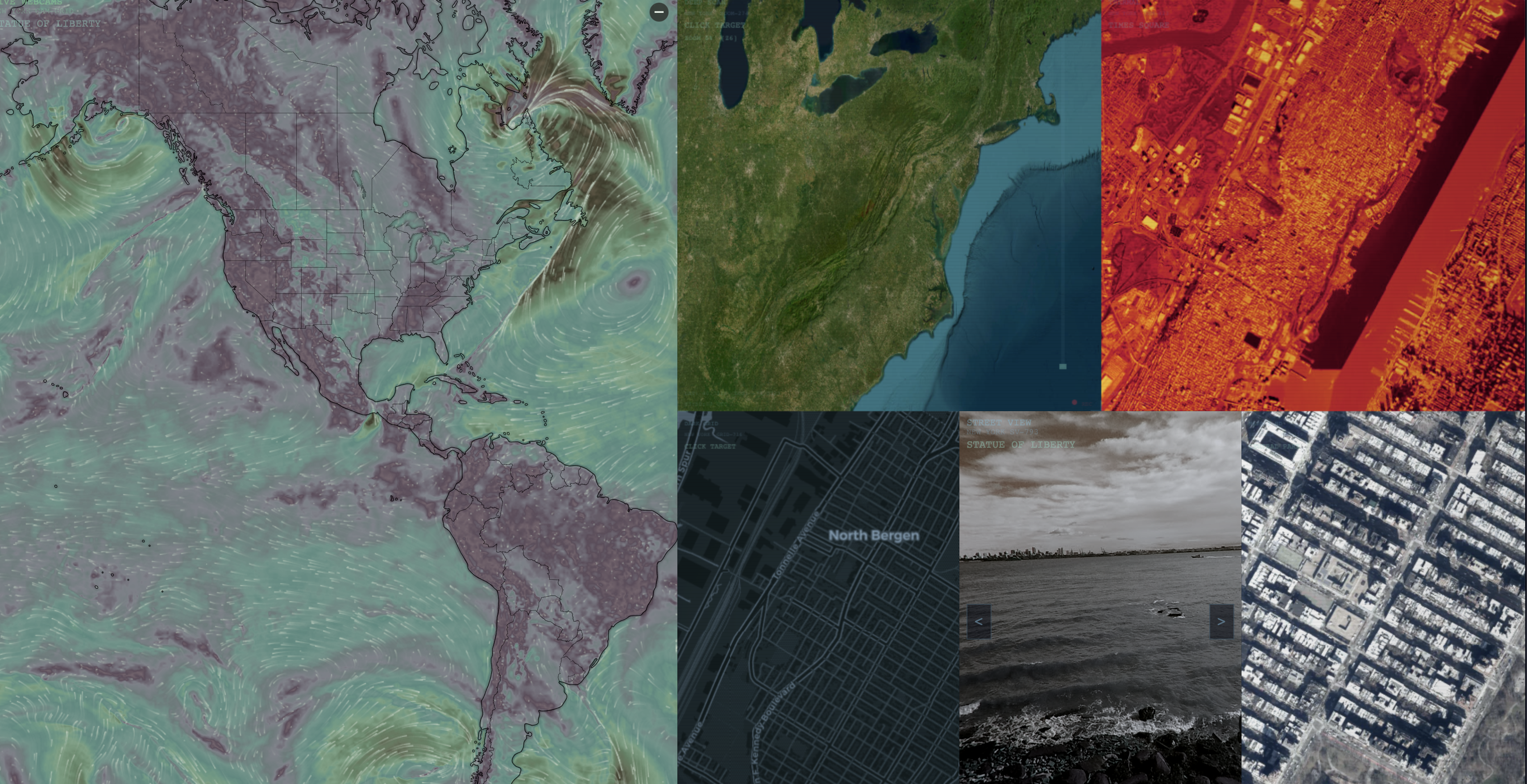
Surveillance — an interactive operations center with live feeds, geospatial targeting and real-time geolocation movement that you can interact with and zoom with the pinch of your hands.
Transforming scientific data into immersive audiovisual experiences.
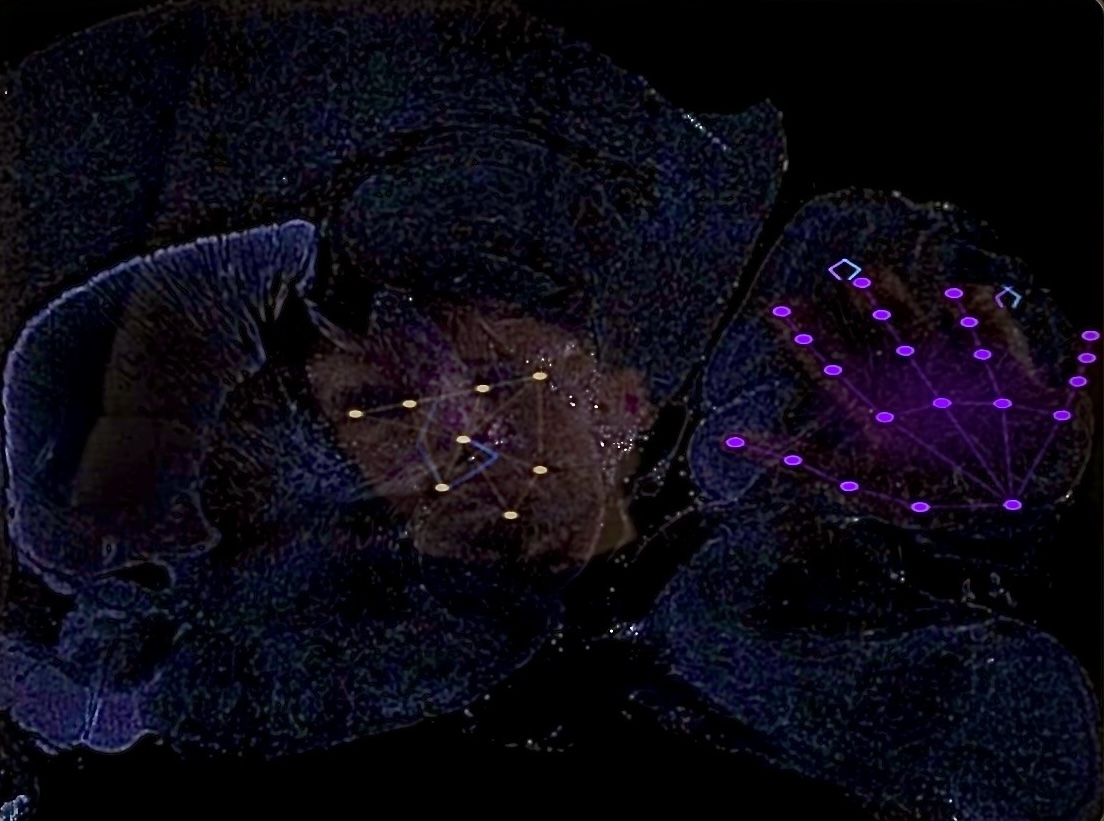
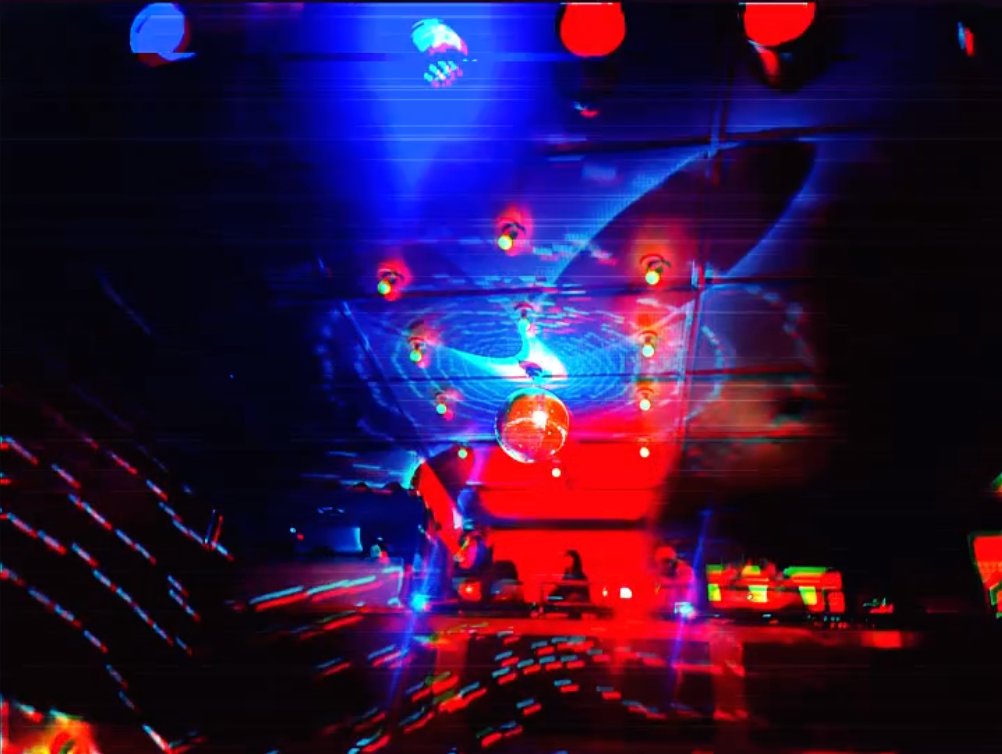
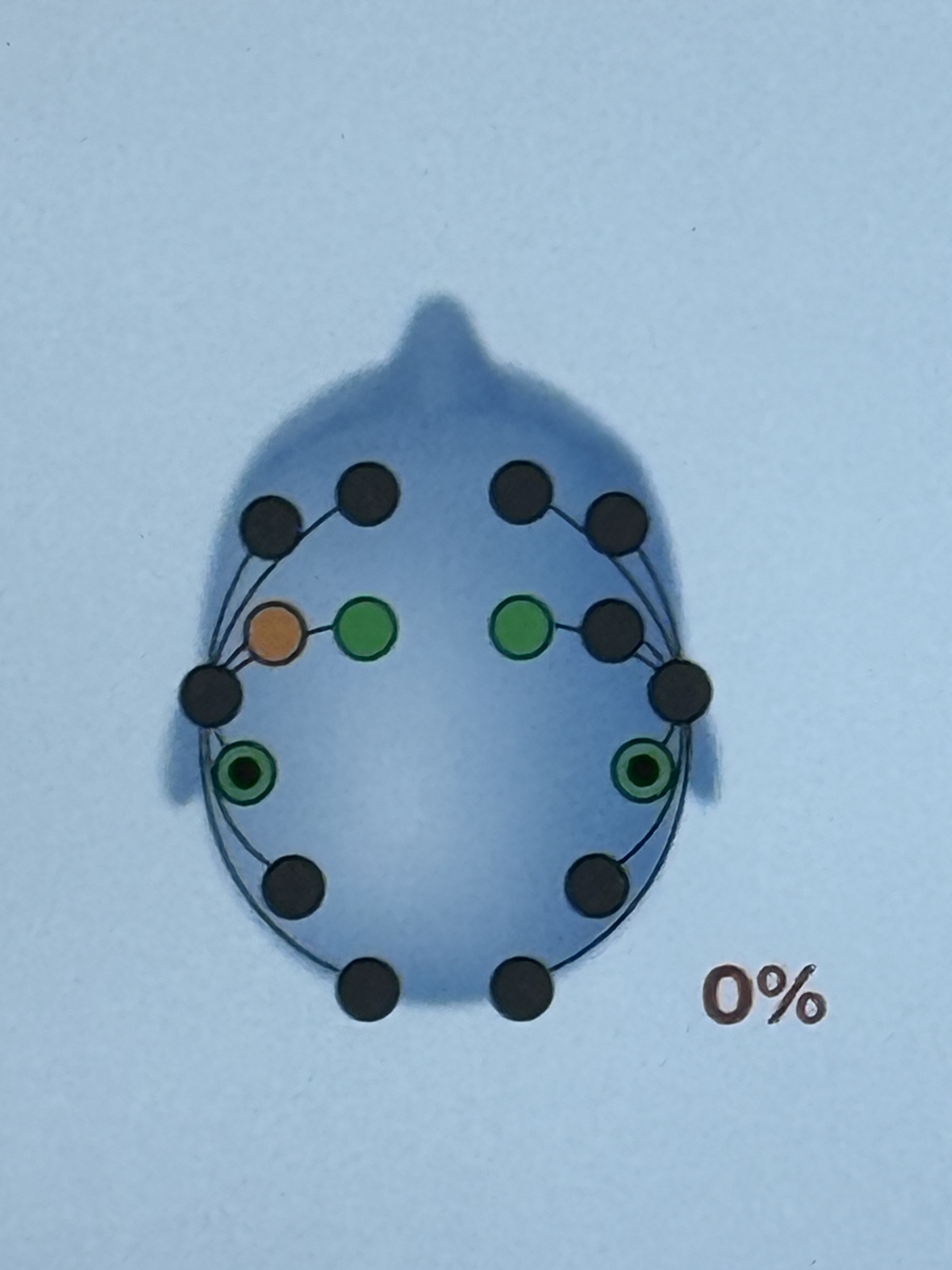
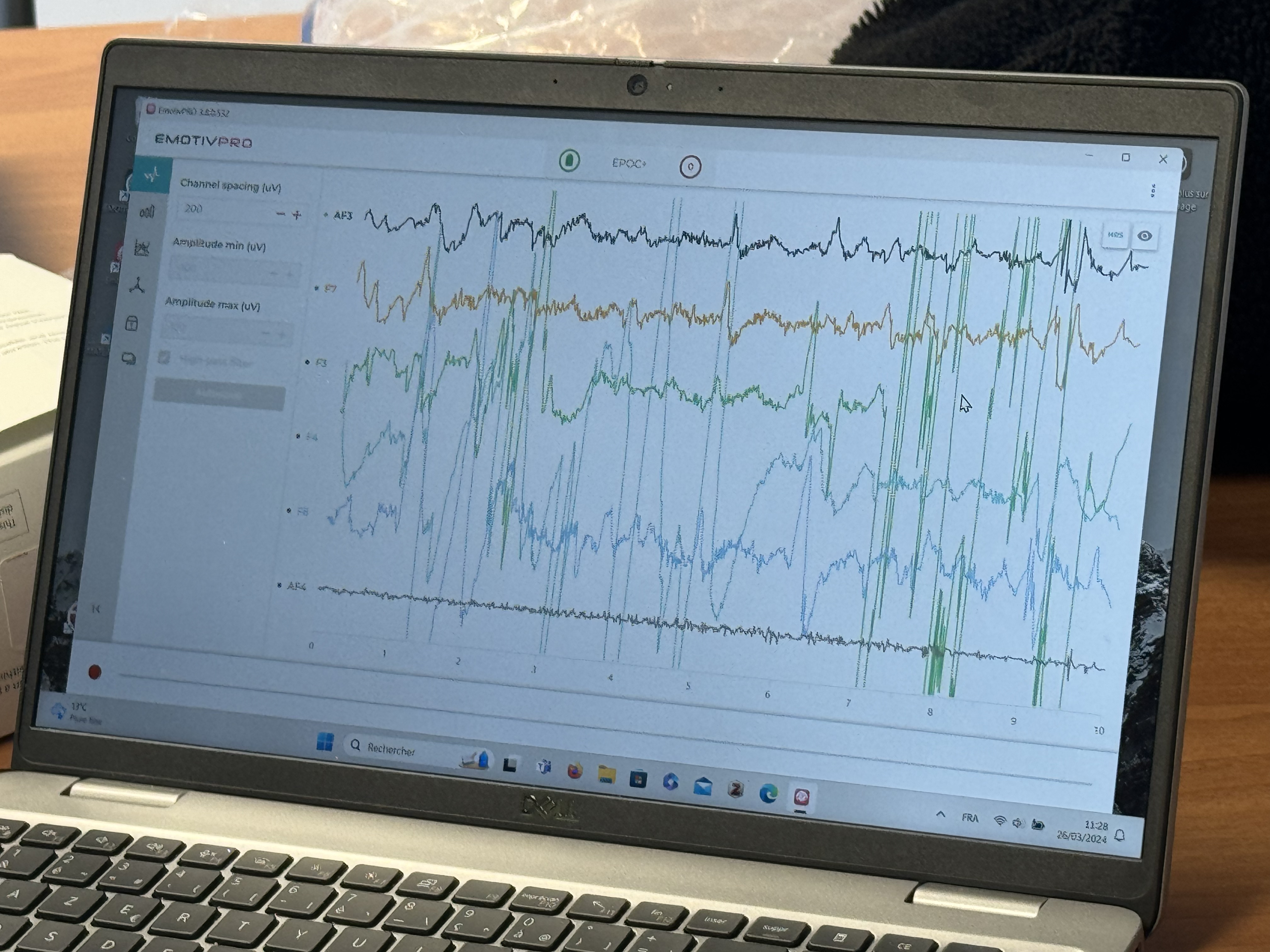
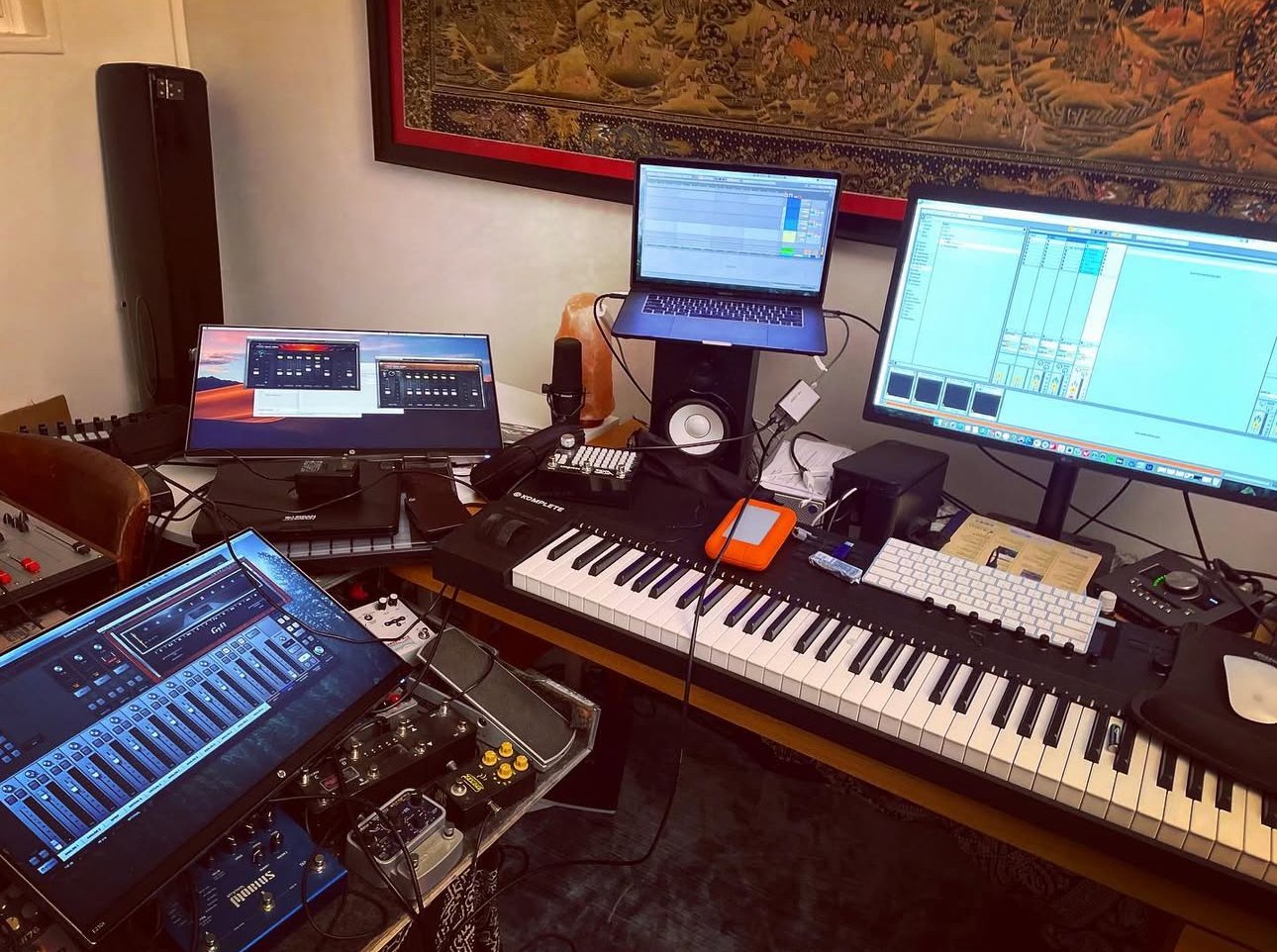
Brainwave Control is an interactive installation where participants collaboratively create a shared musical environment without needing technical training. Each participant plays a distinct sound module while wearing a bio-sensor; their live brainwaves transform the audio in real time, allowing their internal biology to actively shape the external soundscape.
Anchored by a three-projection environment that displays scientific imagery of firing neurons alongside real-time data and visualization of the participants' neural patterns, the work fuses neuroscience, technology, and sound. While independent minds control independent modules, the generative process remains obscure, mirroring the mystery of cognition itself.
As participants surrender to the uncontrollable fluctuations of their own biology, their distinct sounds intersect into a cohesive harmony. The piece reveals the beauty of how processes beyond our conscious understanding can give rise to a unified, collective experience.
With special thanks to Alain Chédotal, brilliant researcher, innovator, and collaborator.
Science Art is a practice in which artistic expression engages directly with scientific inquiry by honoring it, interpreting it, and giving it poetic form. Using new technological tools, traditional research methods, and real scientific data, Visceral Design translates complex scientific processes into immersive artistic and musical experiences.
Ask someone on the street to name five living scientists. Most cannot. Yet scientific and philosophical inquiry is essential to the future of humanity. Science Art seeks to bridge this gap by bringing science into culture, making it visible, tangible, and emotionally resonant.
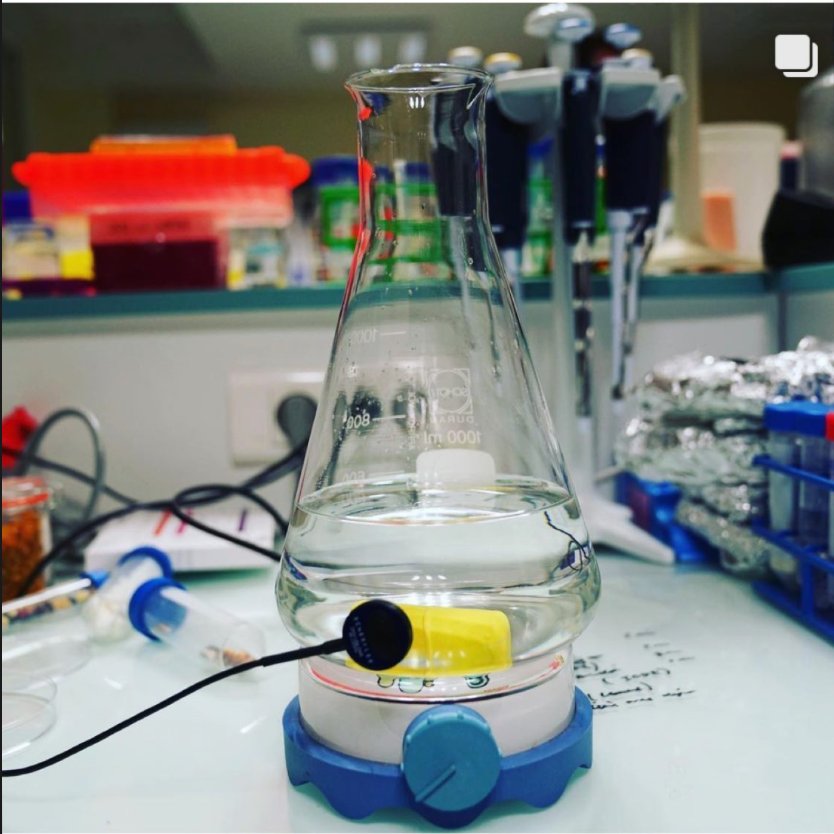
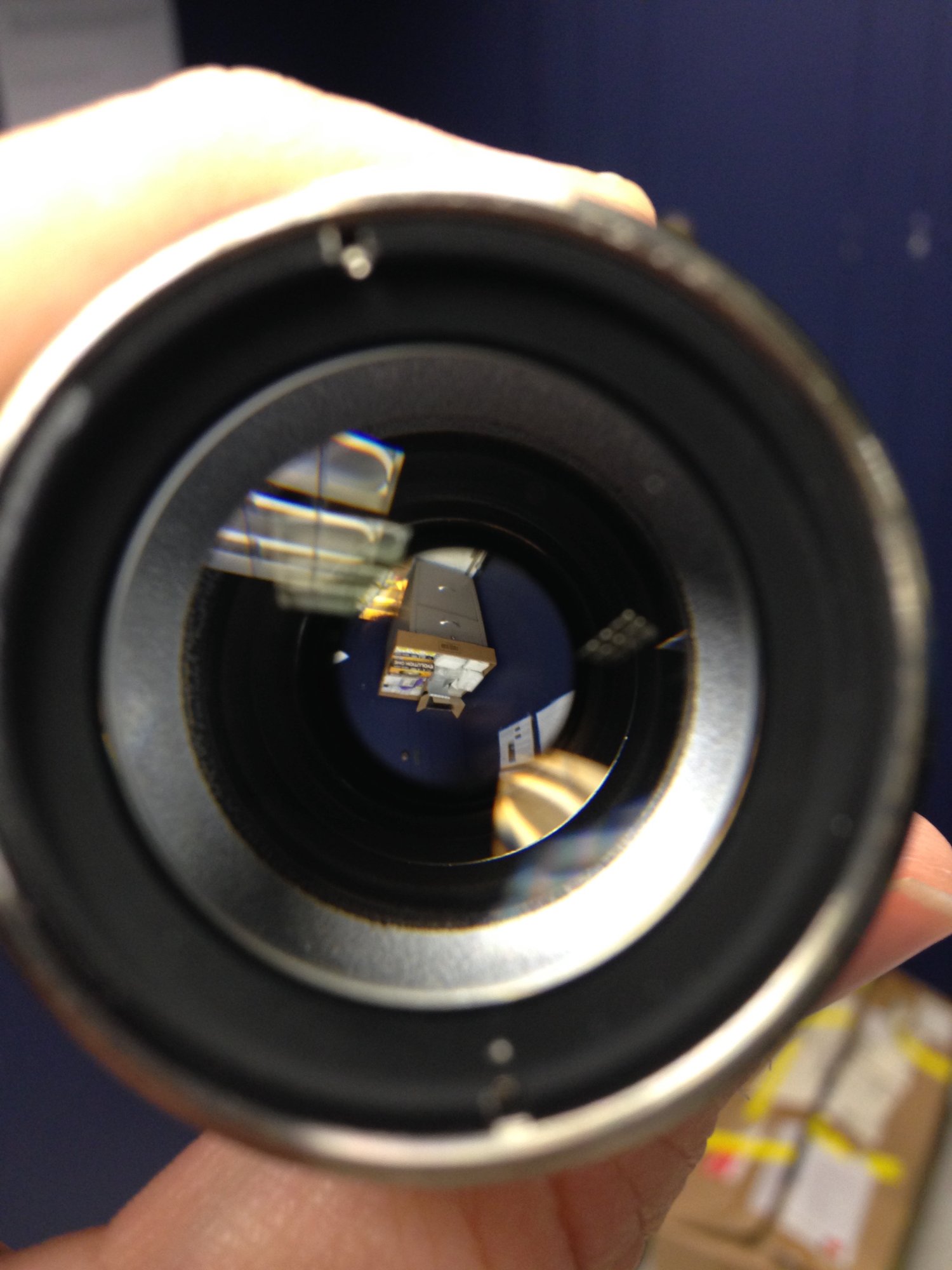
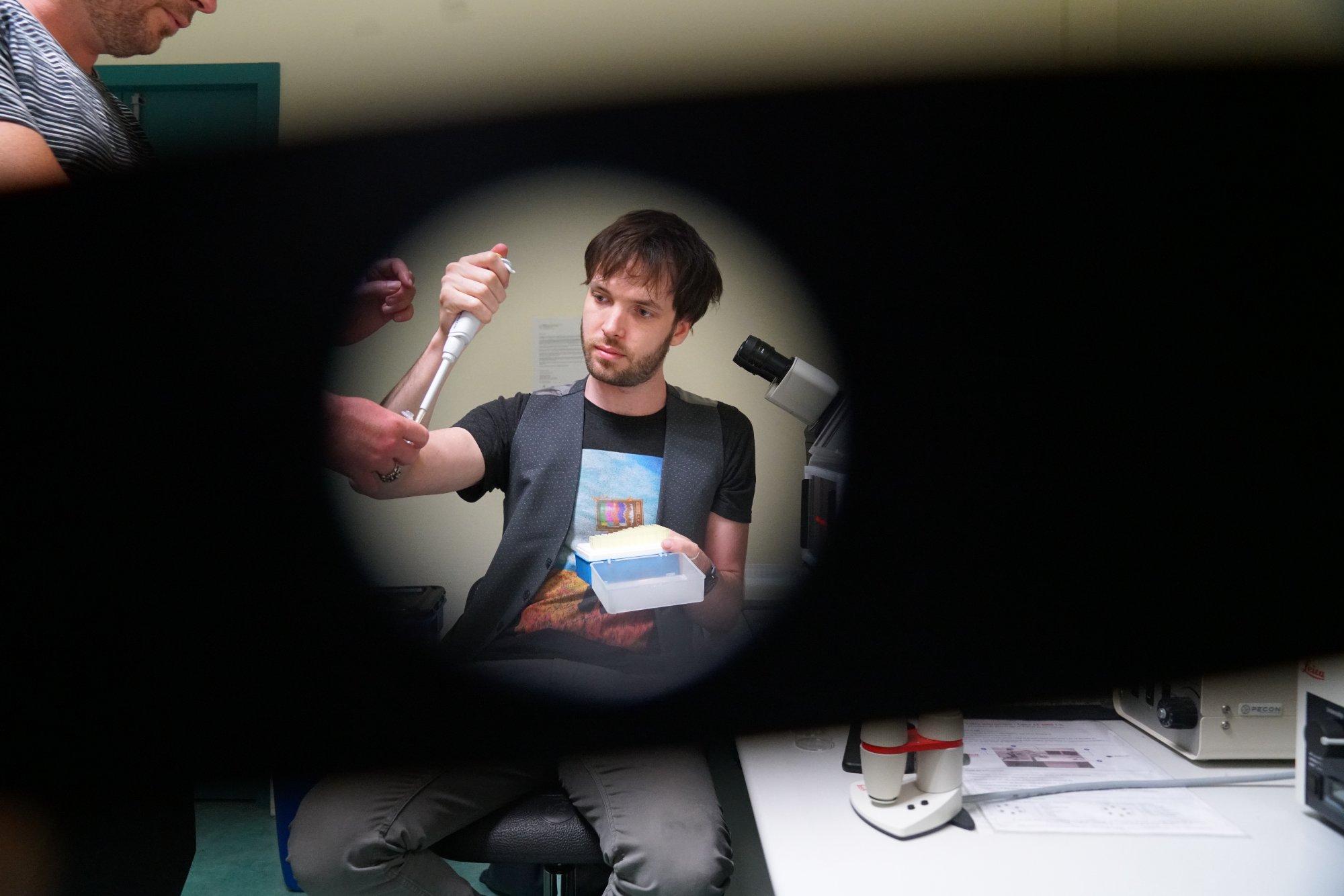
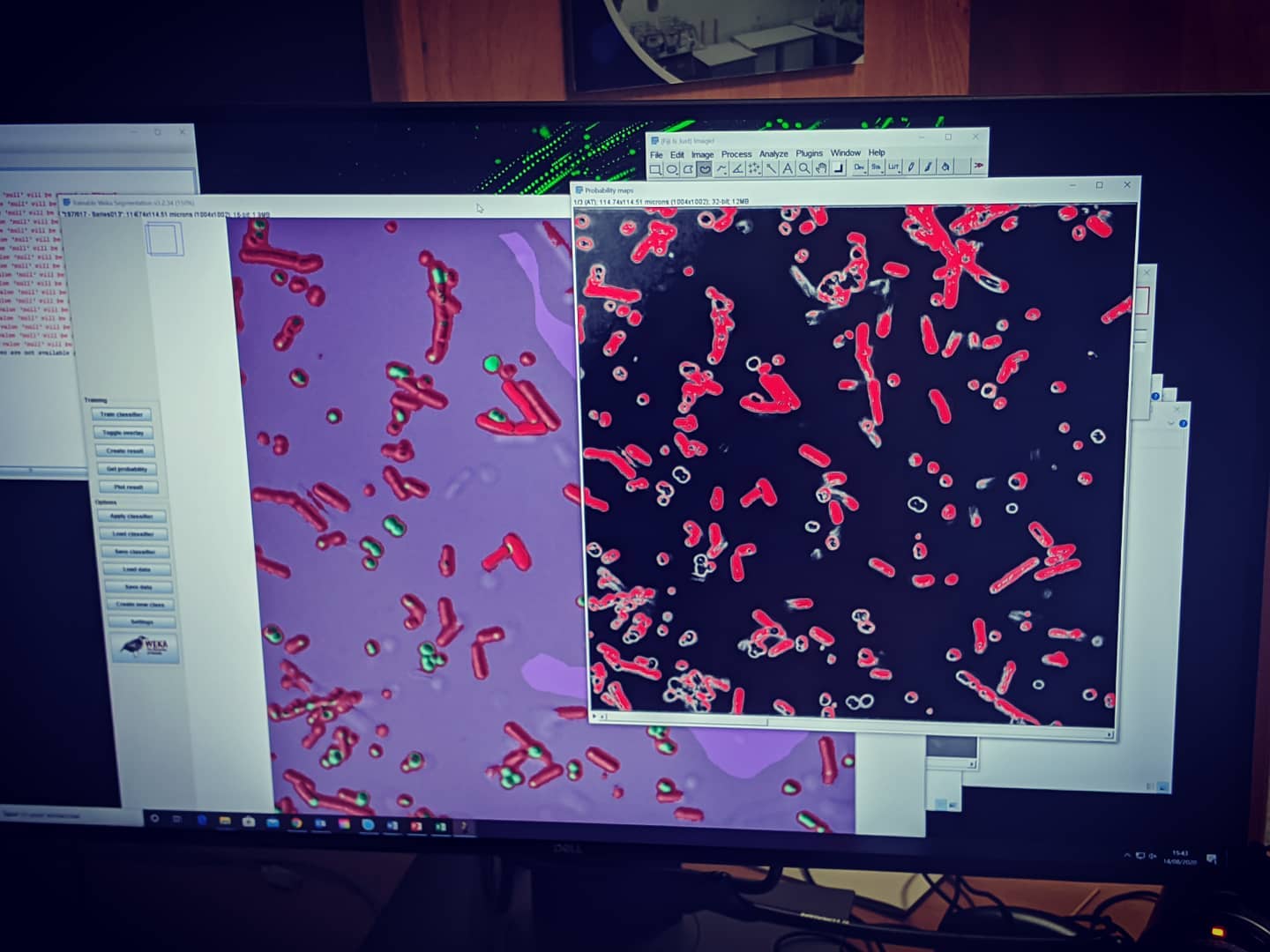
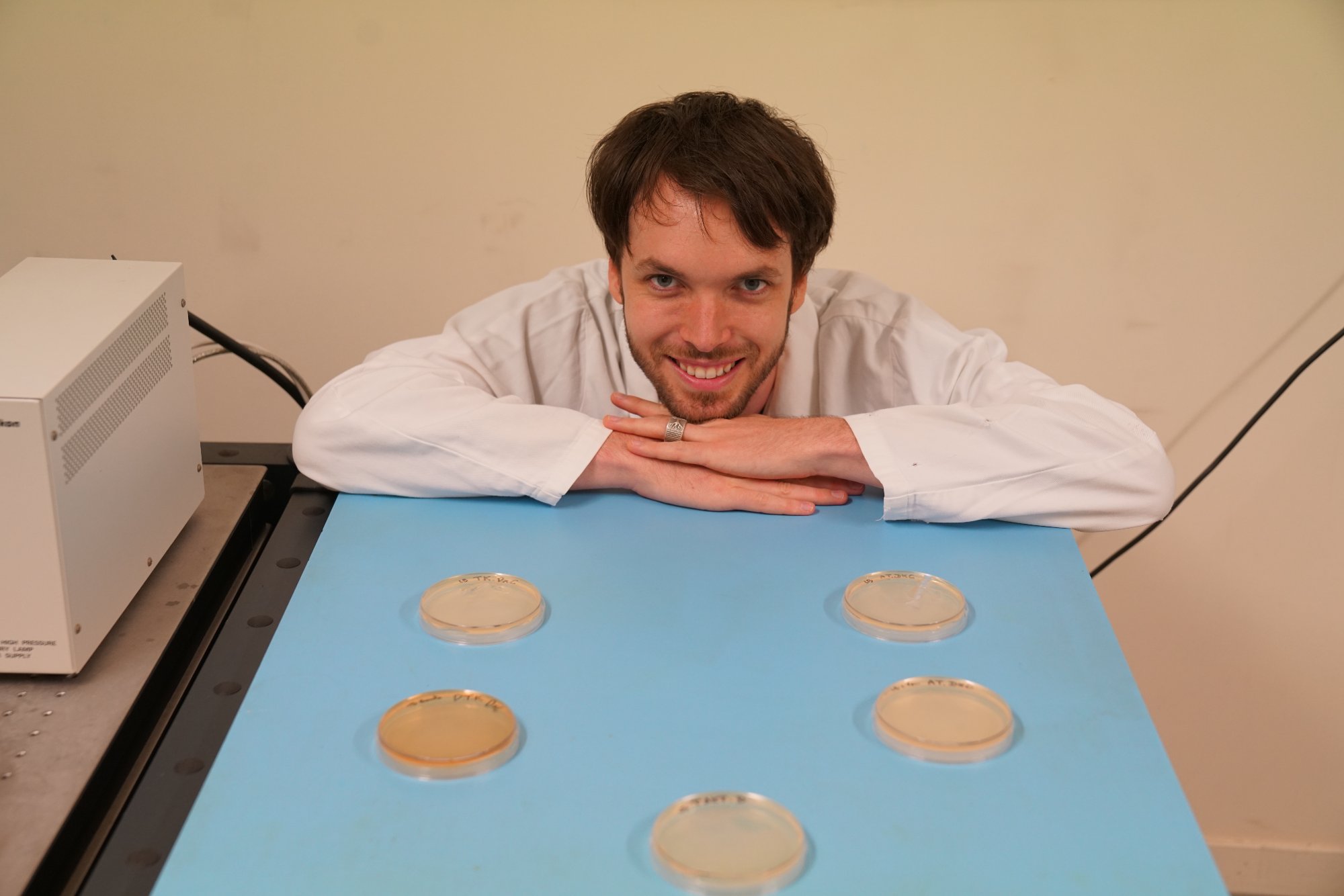
Recording scientific equipment
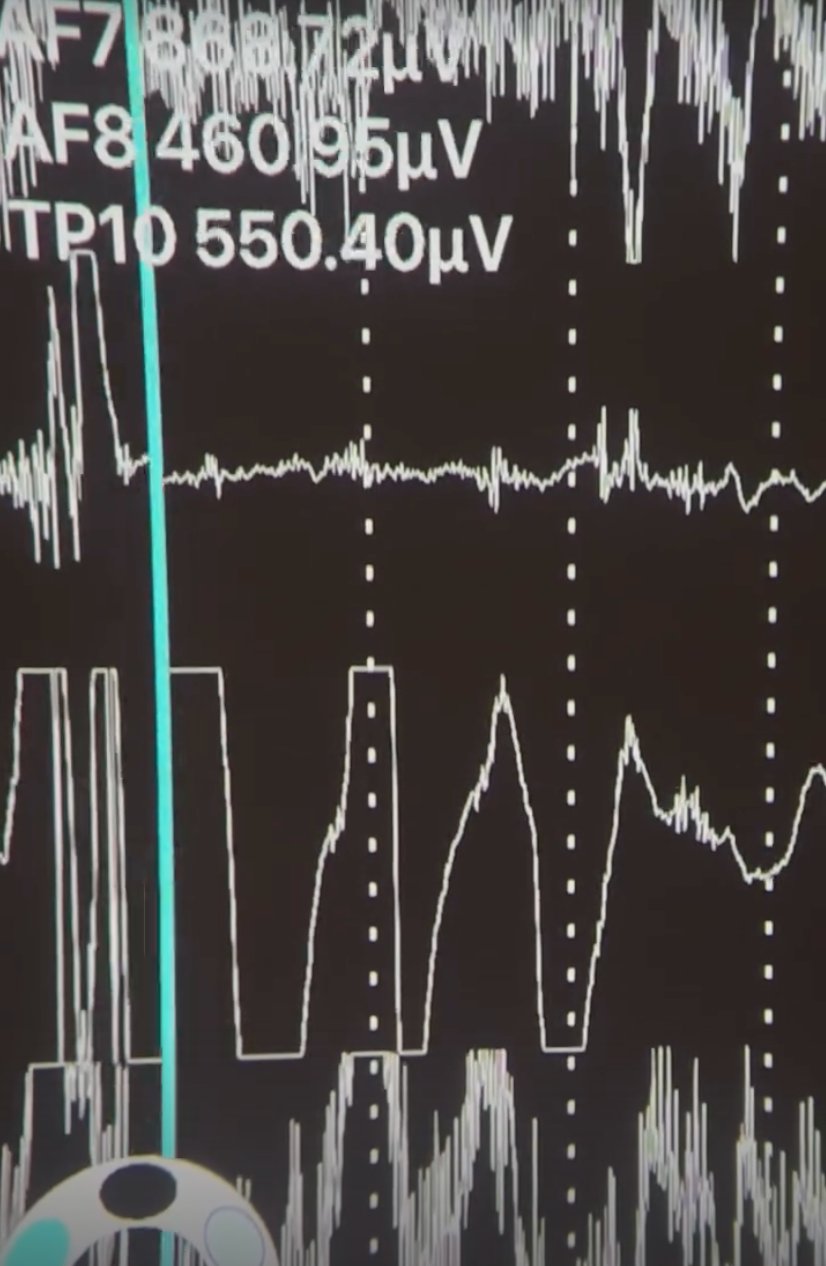
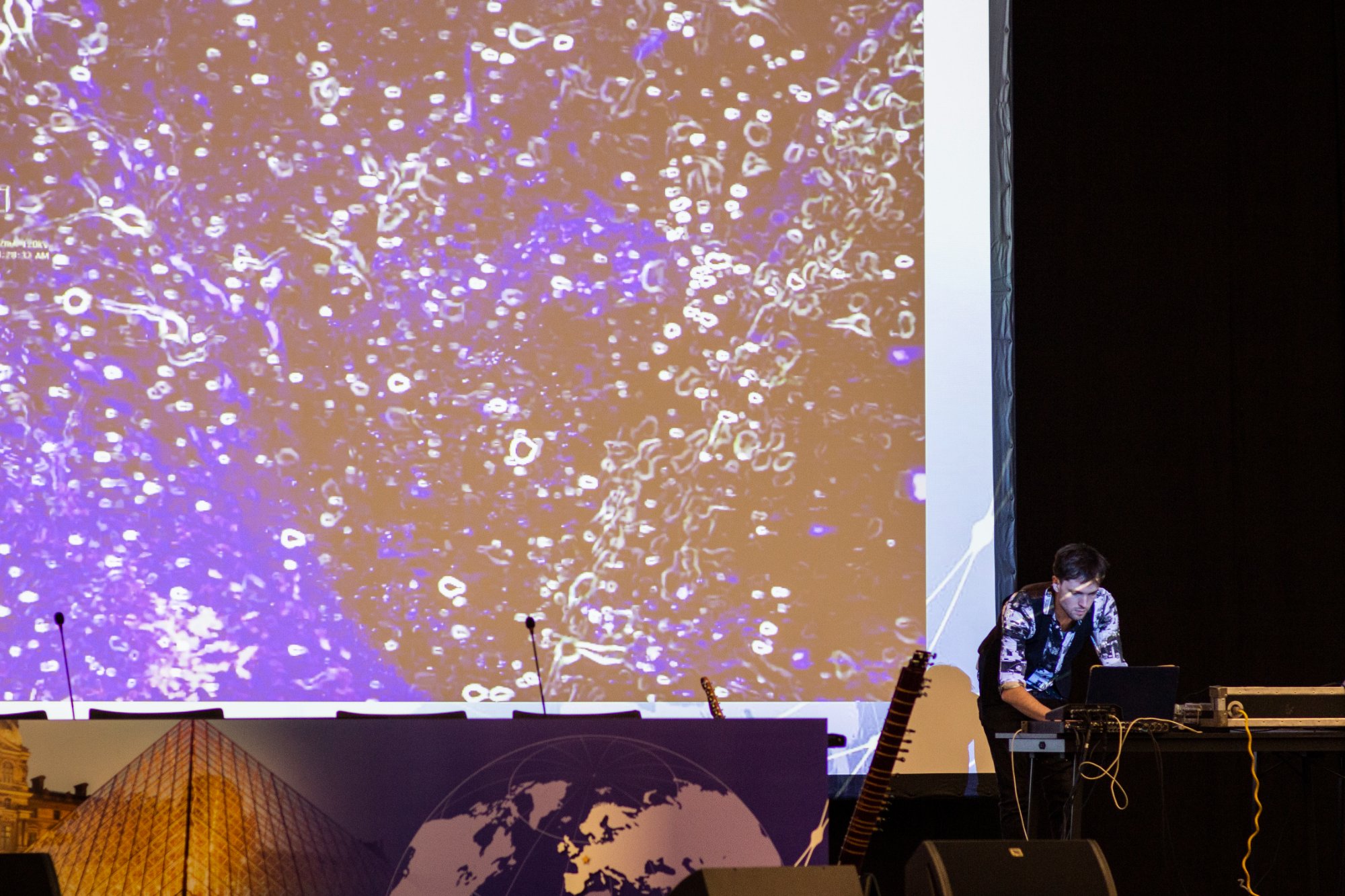
Brainwaves going off in real time
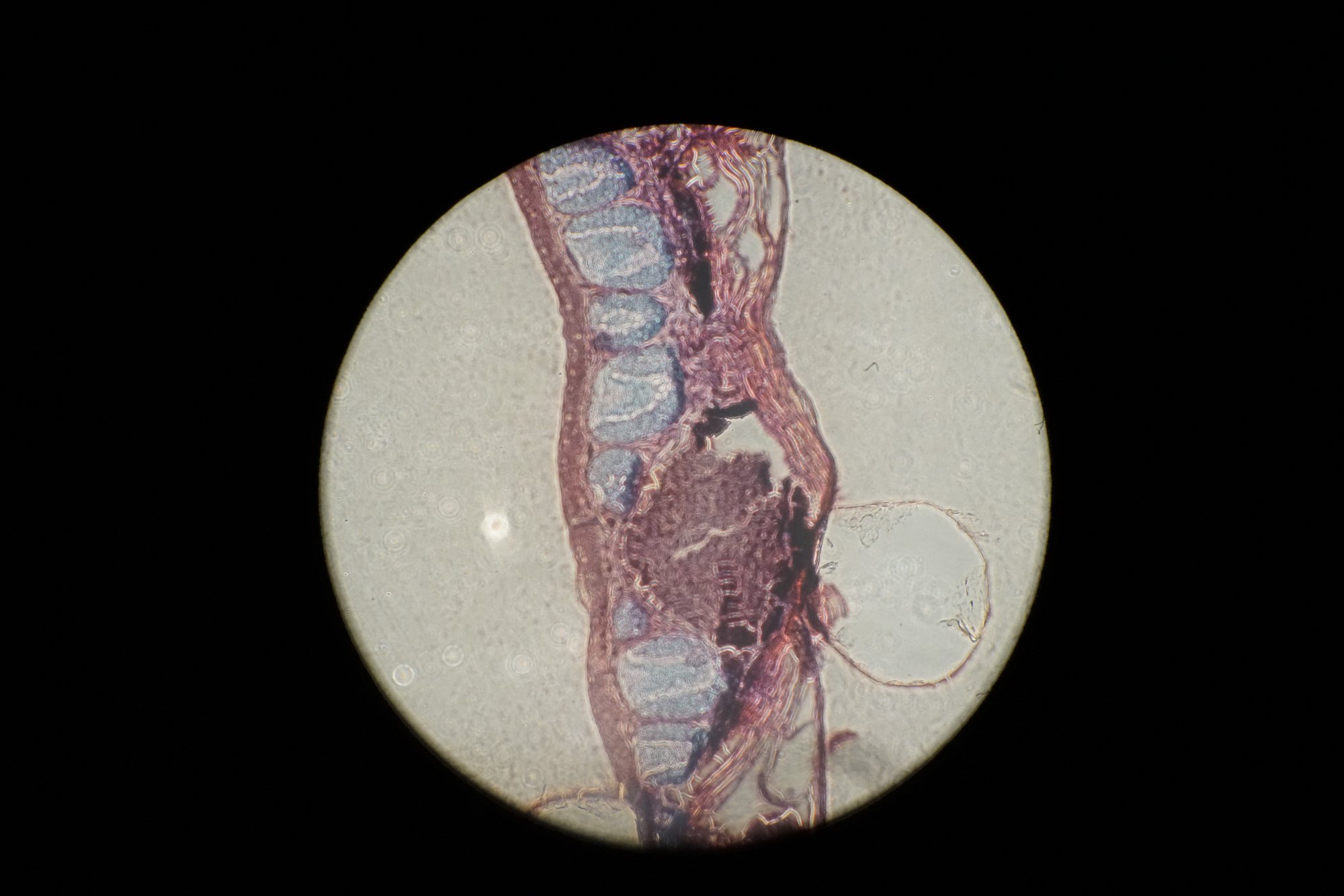
This interactive science-art installation allows its audience to examine, touch, and play as an instrument, slides of real human cells taken from a now closed French medical laboratory. Audience members have to put on the "Ring of Voices" so that they can ground the voltage of the art piece and allow it to sing back to them.
This installation (which is 100% safe) uses technology that requires the human body to form a voltage current that is then turned into sound. Without the ring on, or the connection of the human touch, no sound will be played back.
Each slide is meant to represent a different voice, perspective and intonation yet all the slides work when playing at the same time. The cells of humans serve as the visual art piece and the cells of the audience serve as the contact point for human interaction.
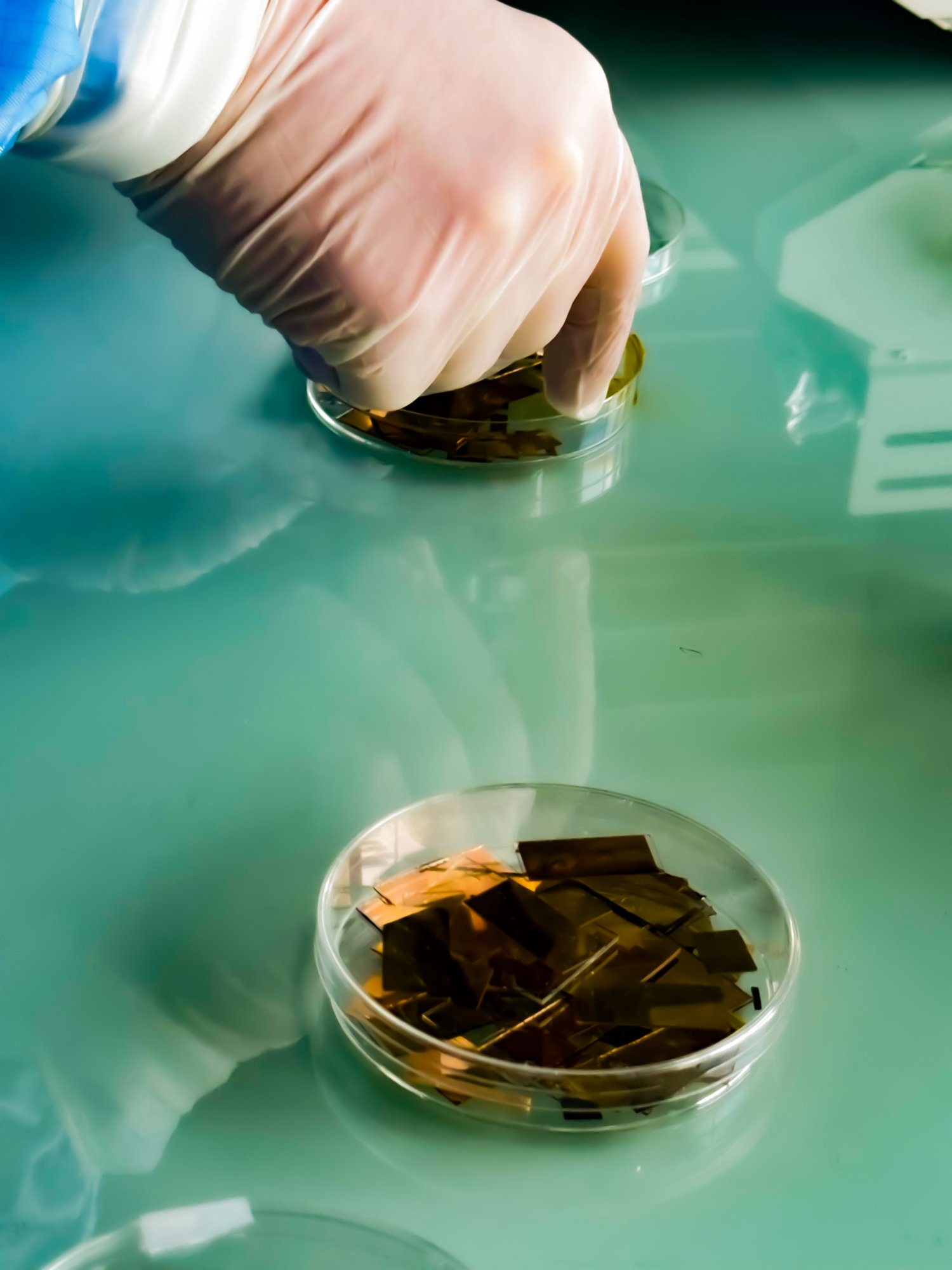
The slides were collected by TakT after the closing of a French medical laboratory and include real human samples.
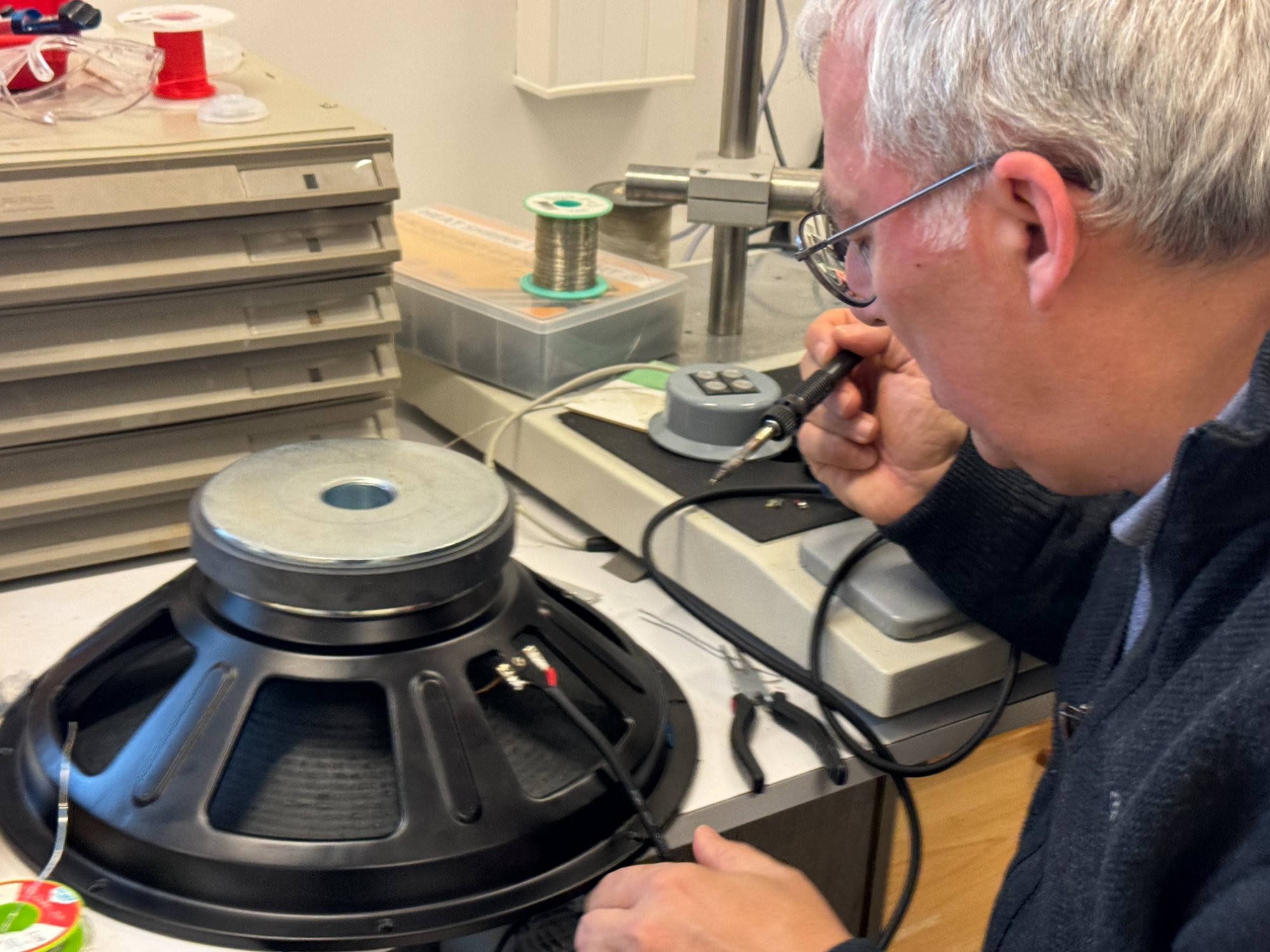
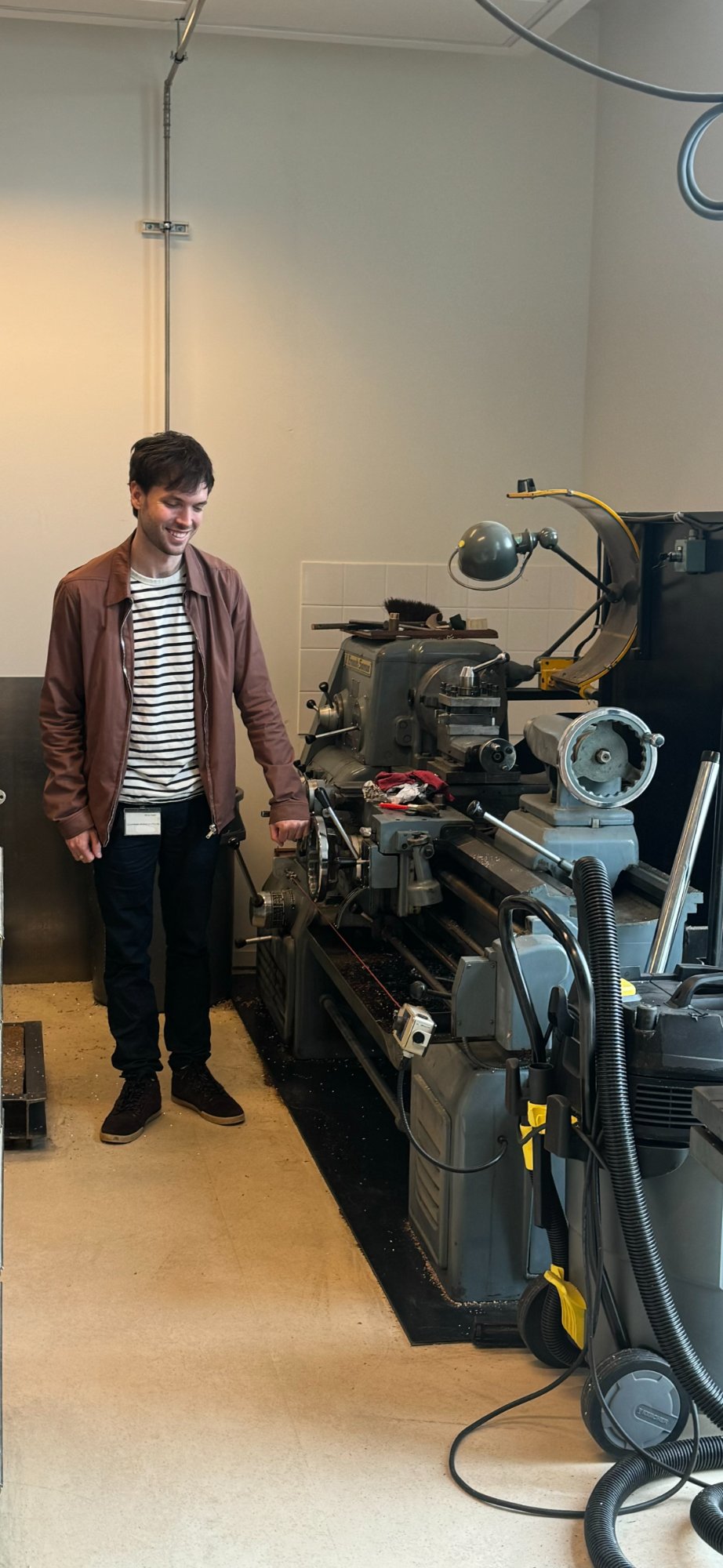
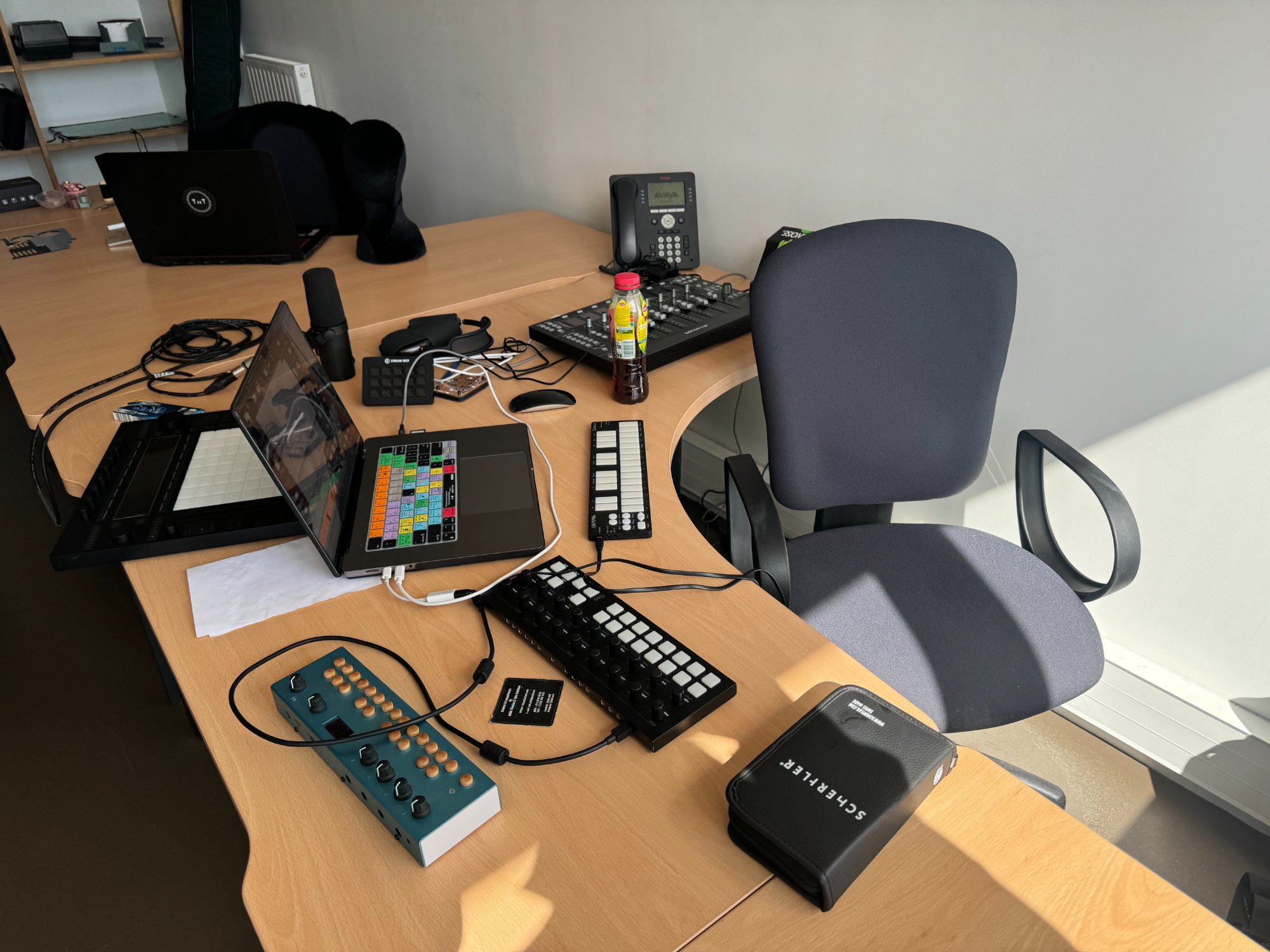
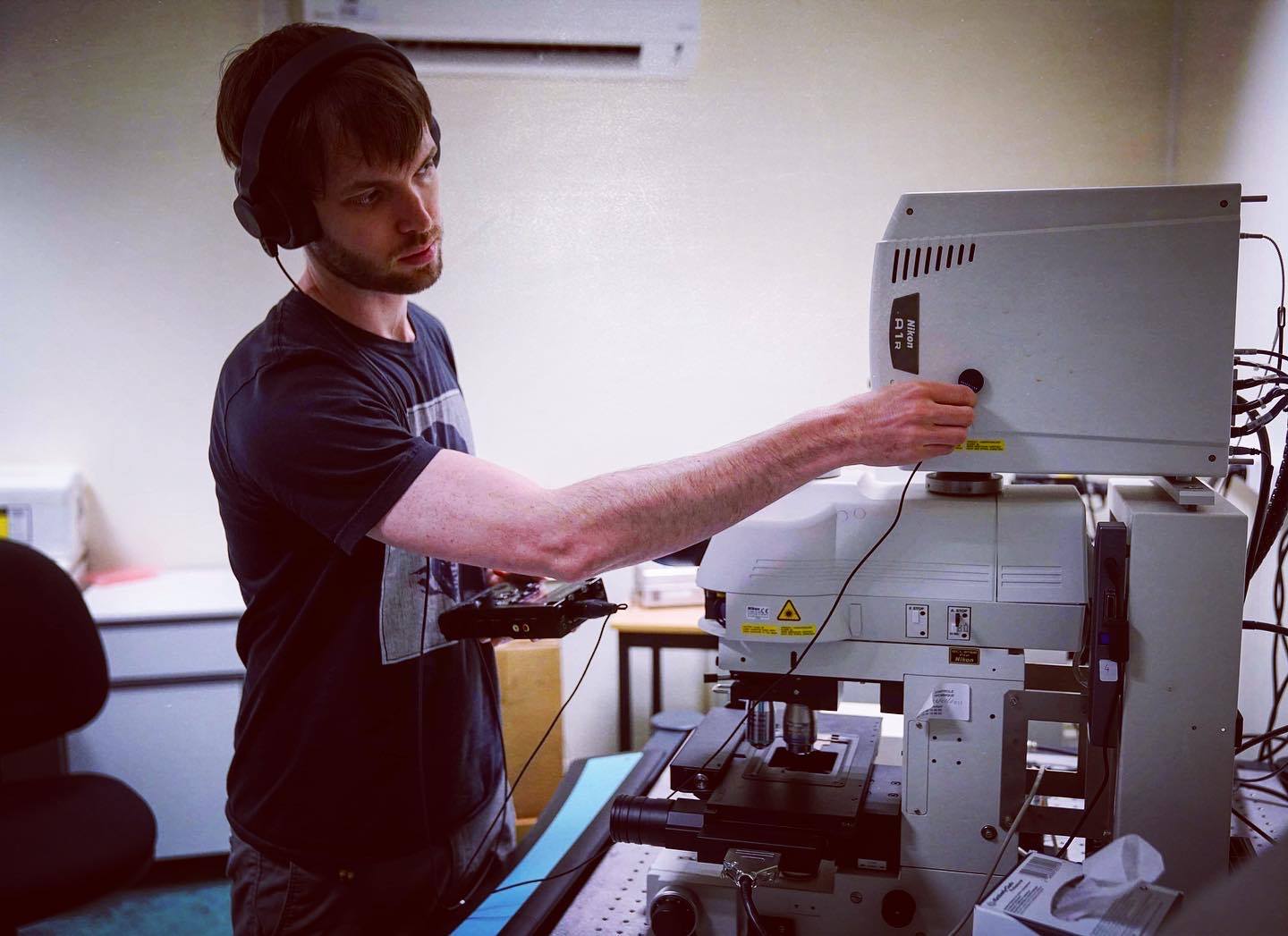
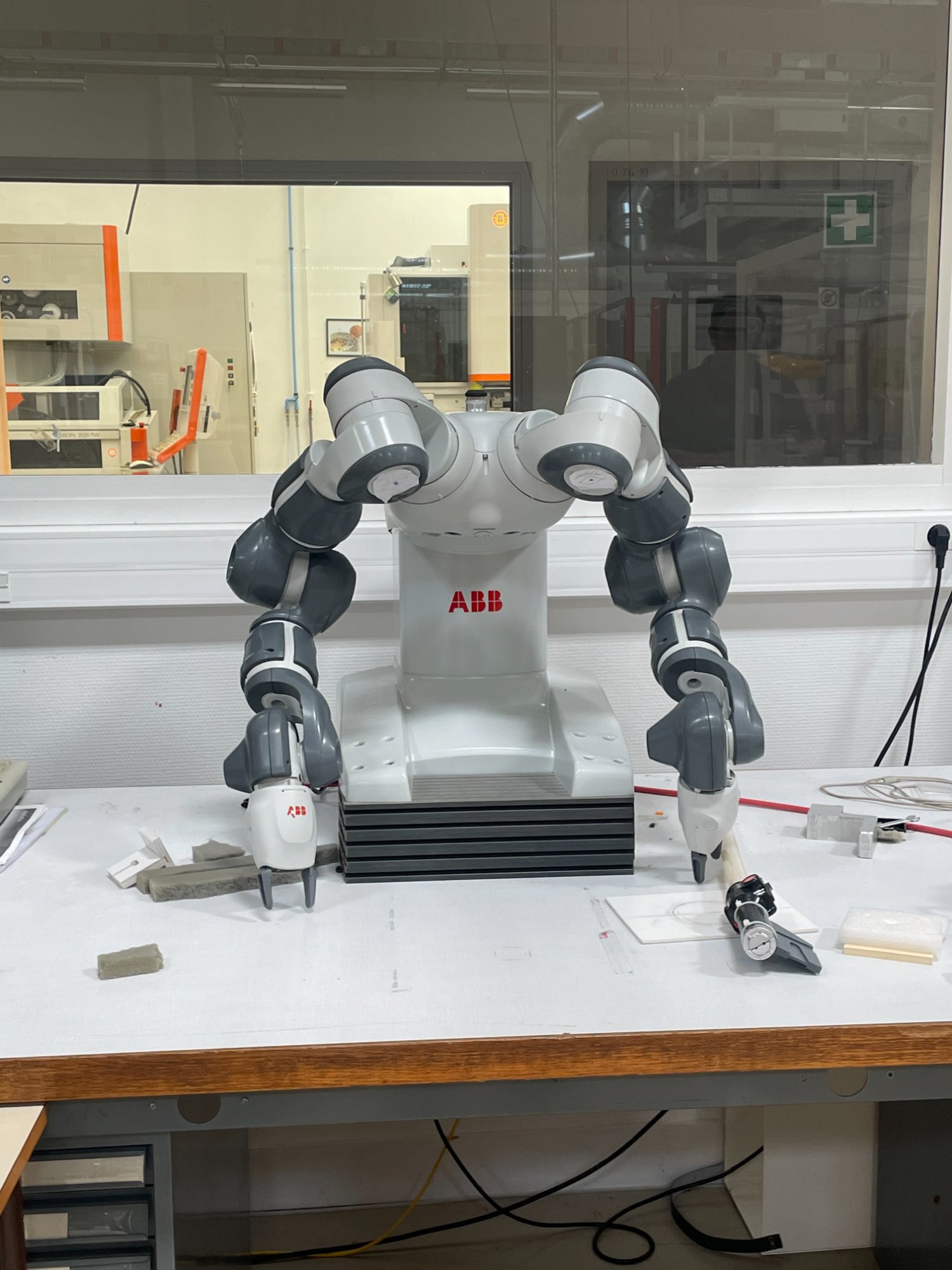
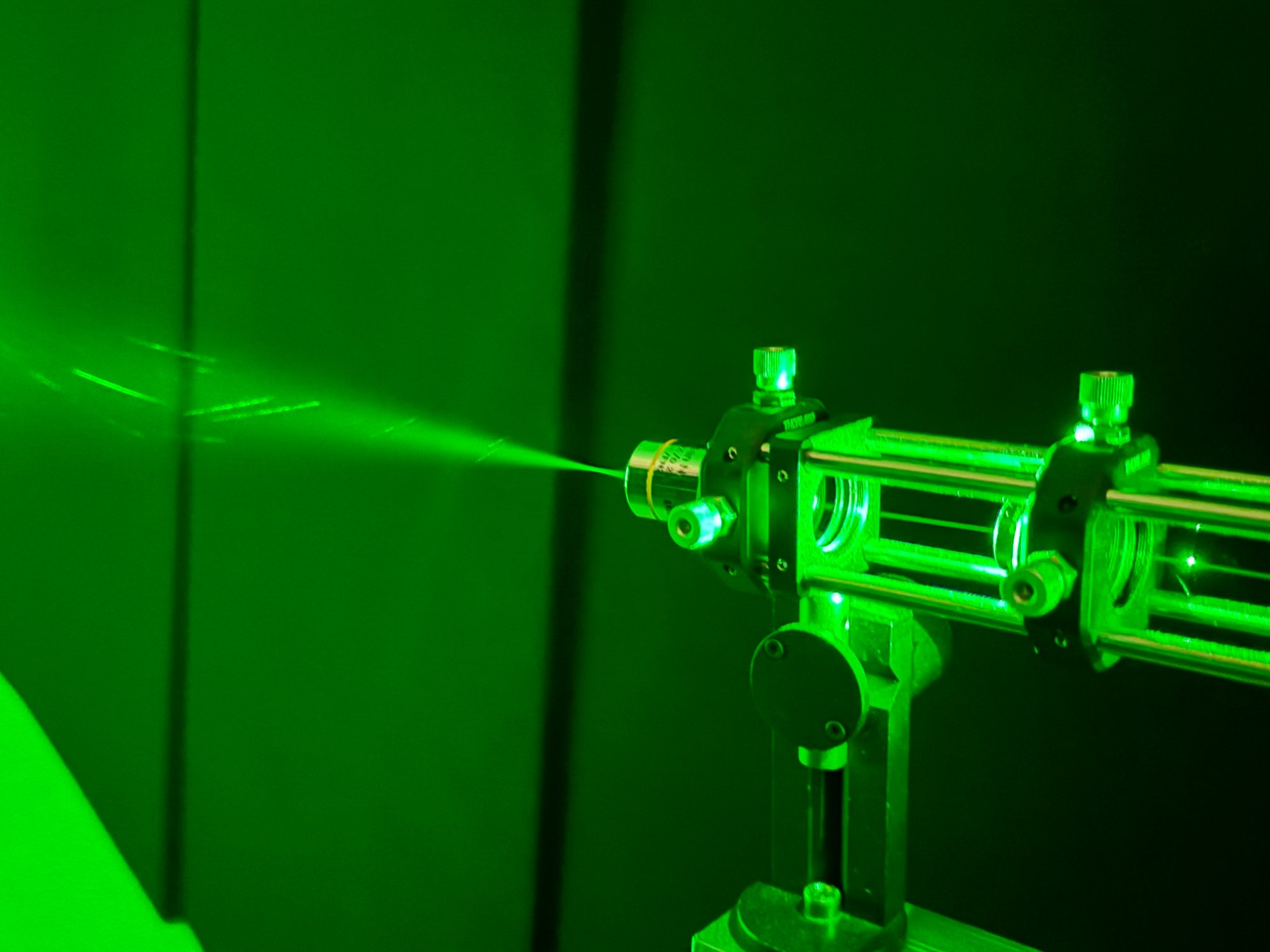
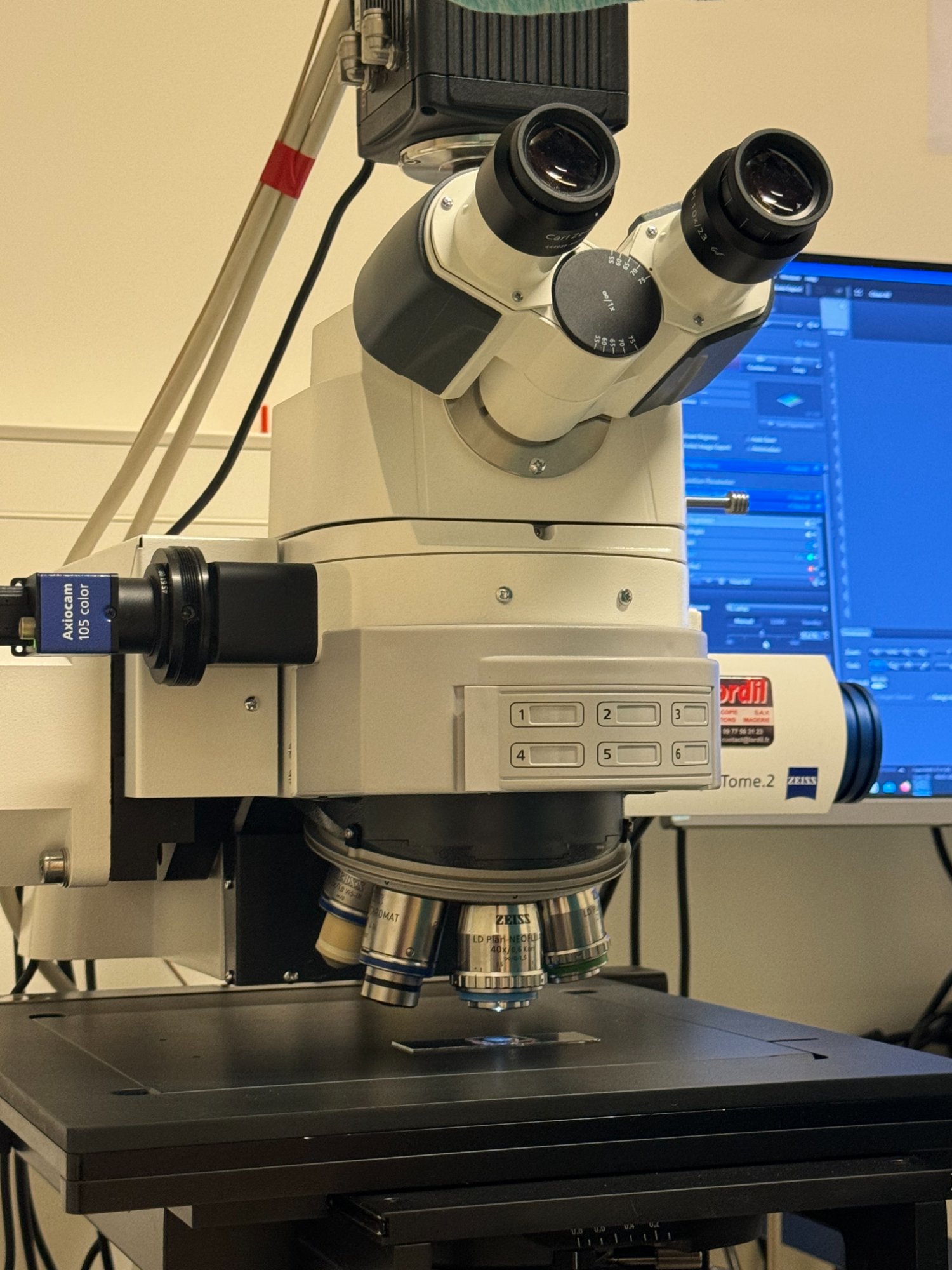
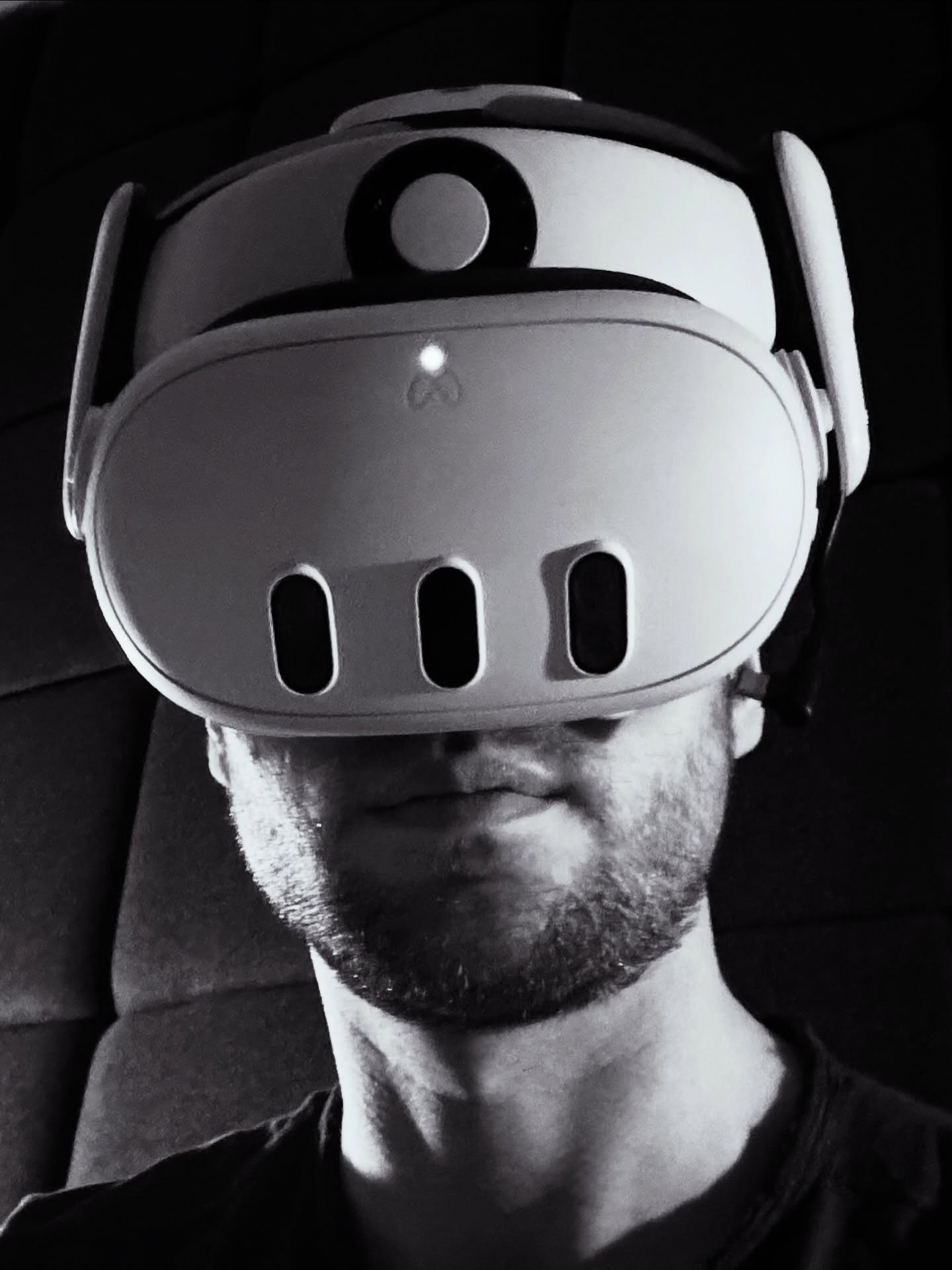
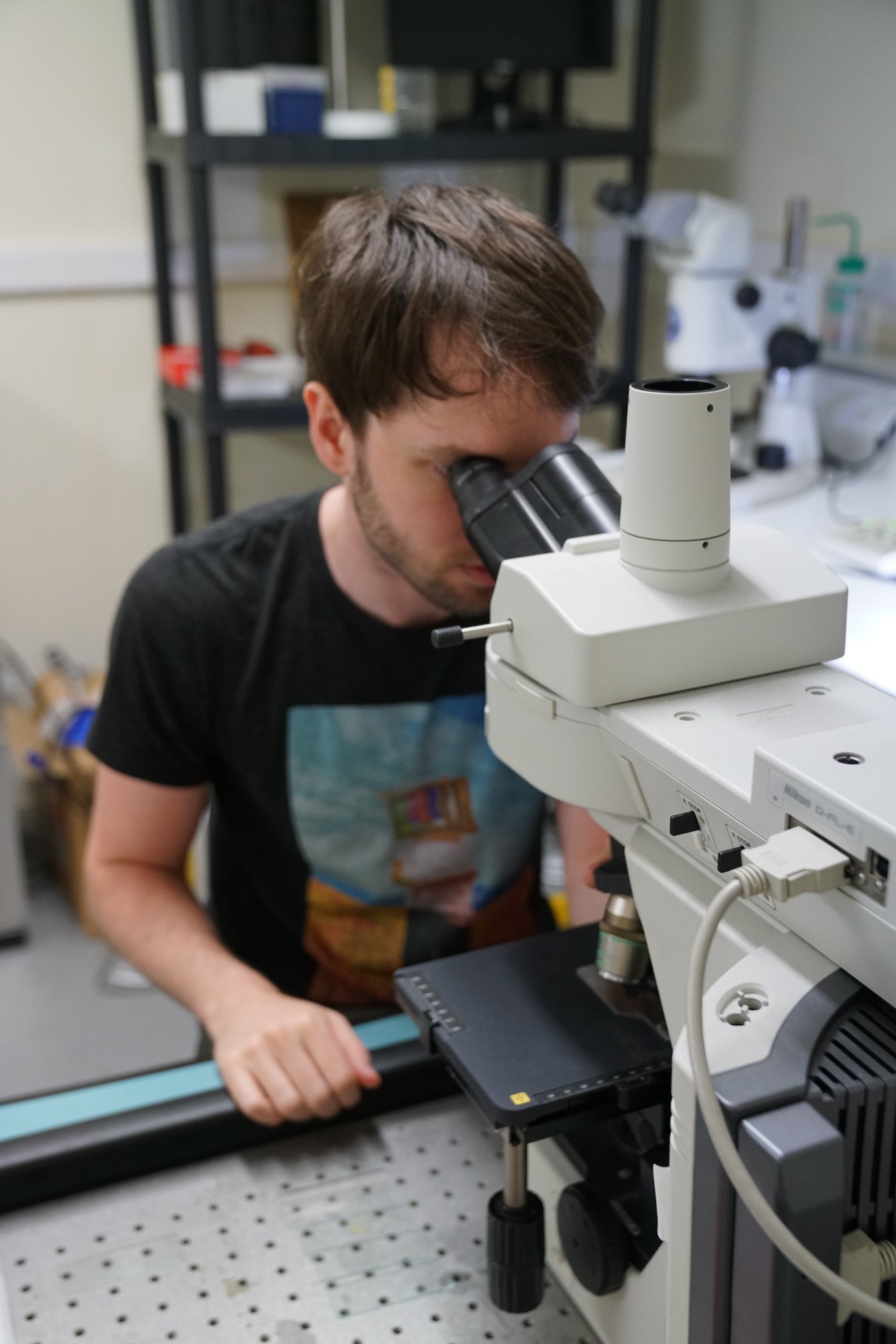
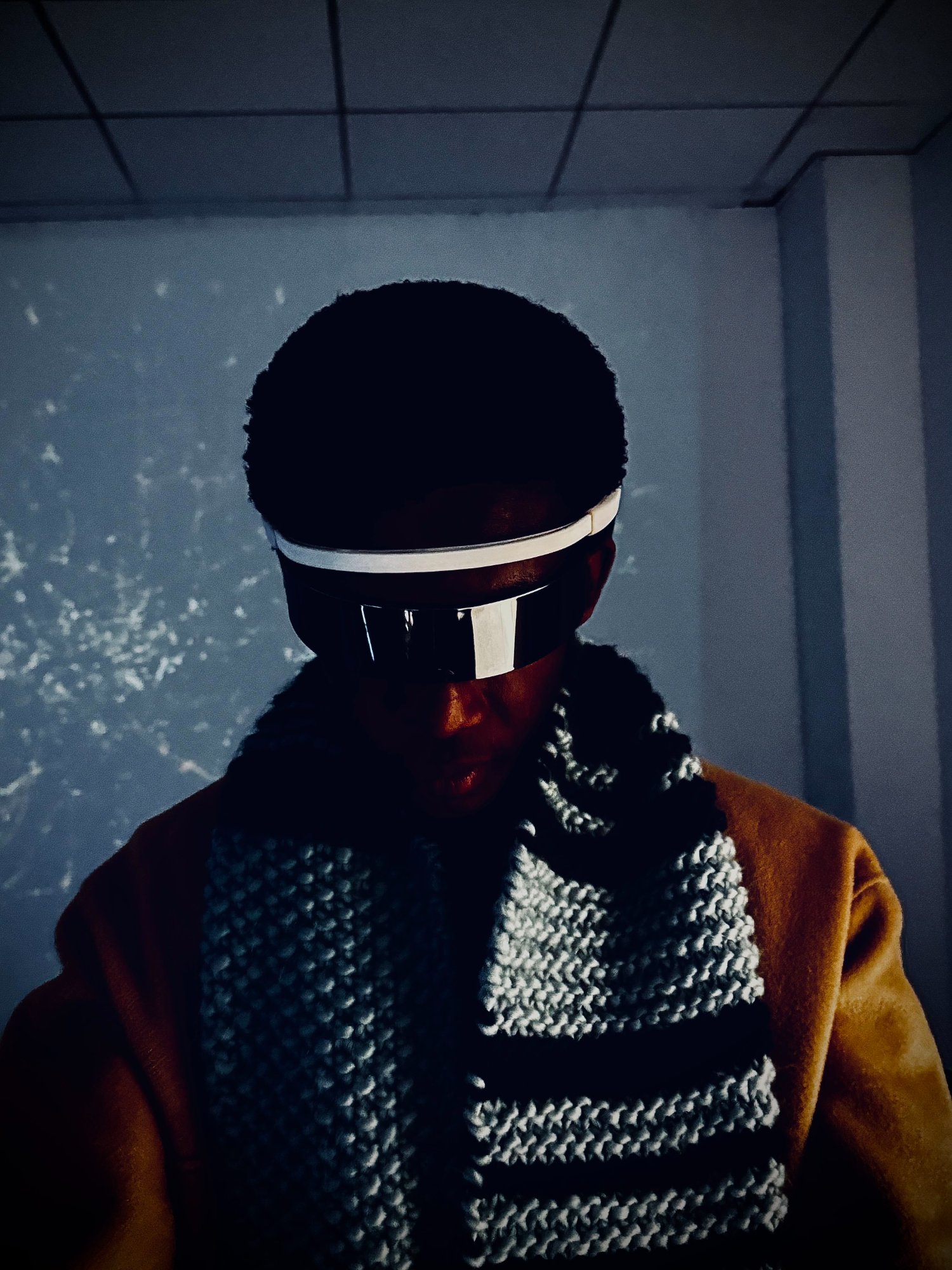

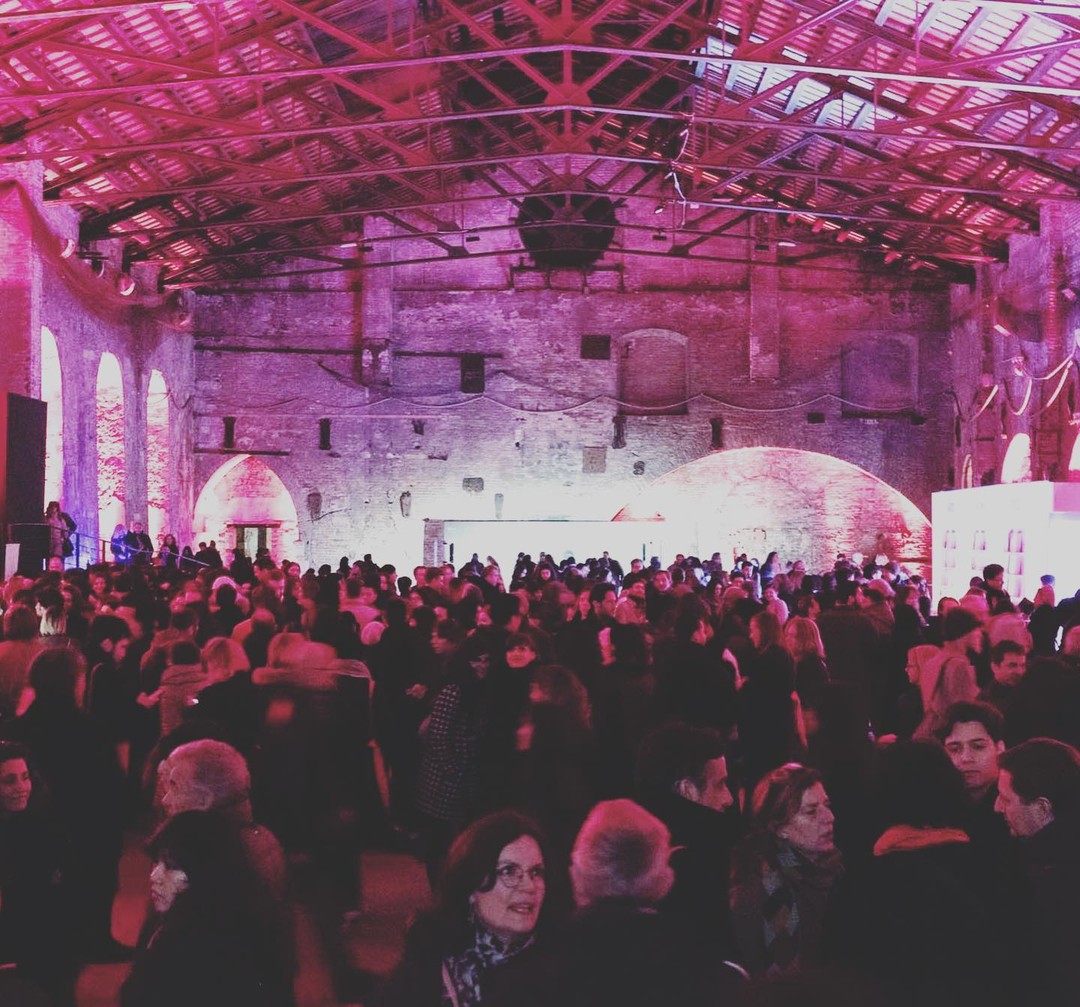
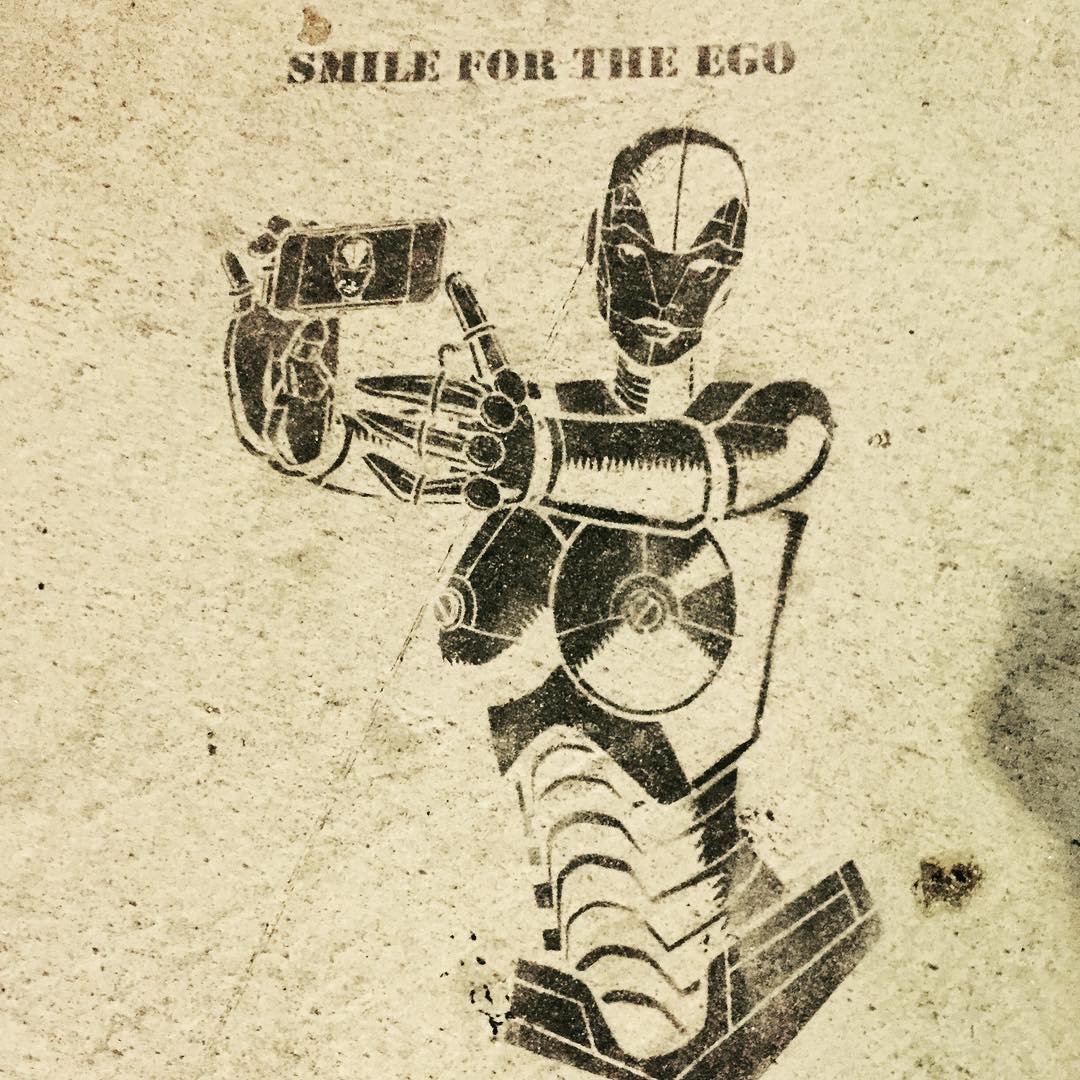

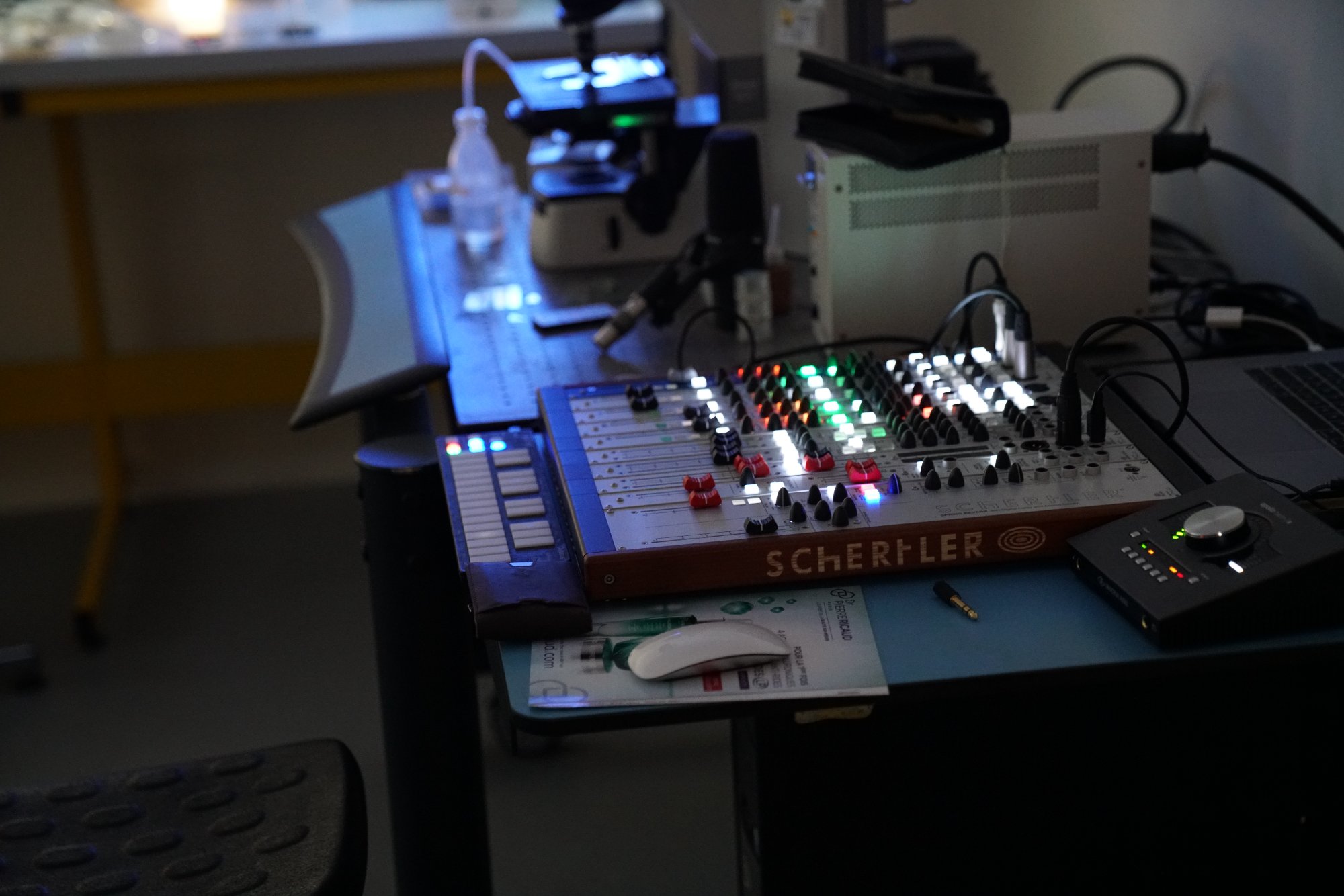
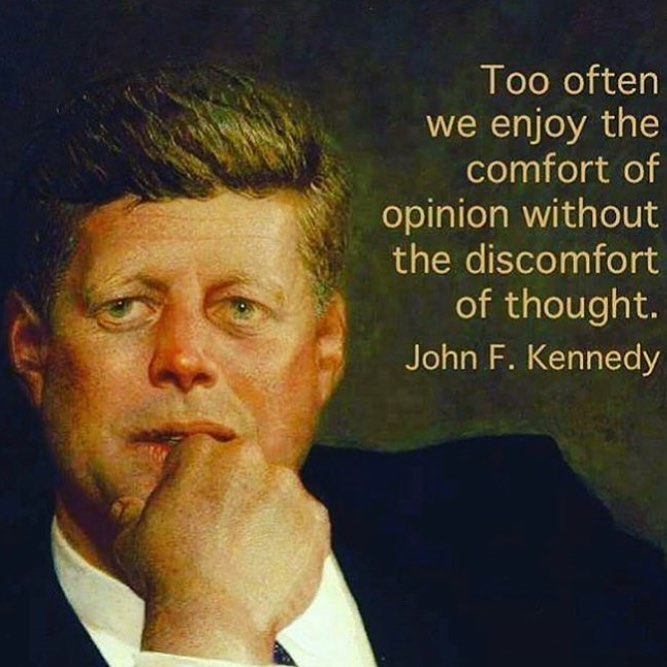
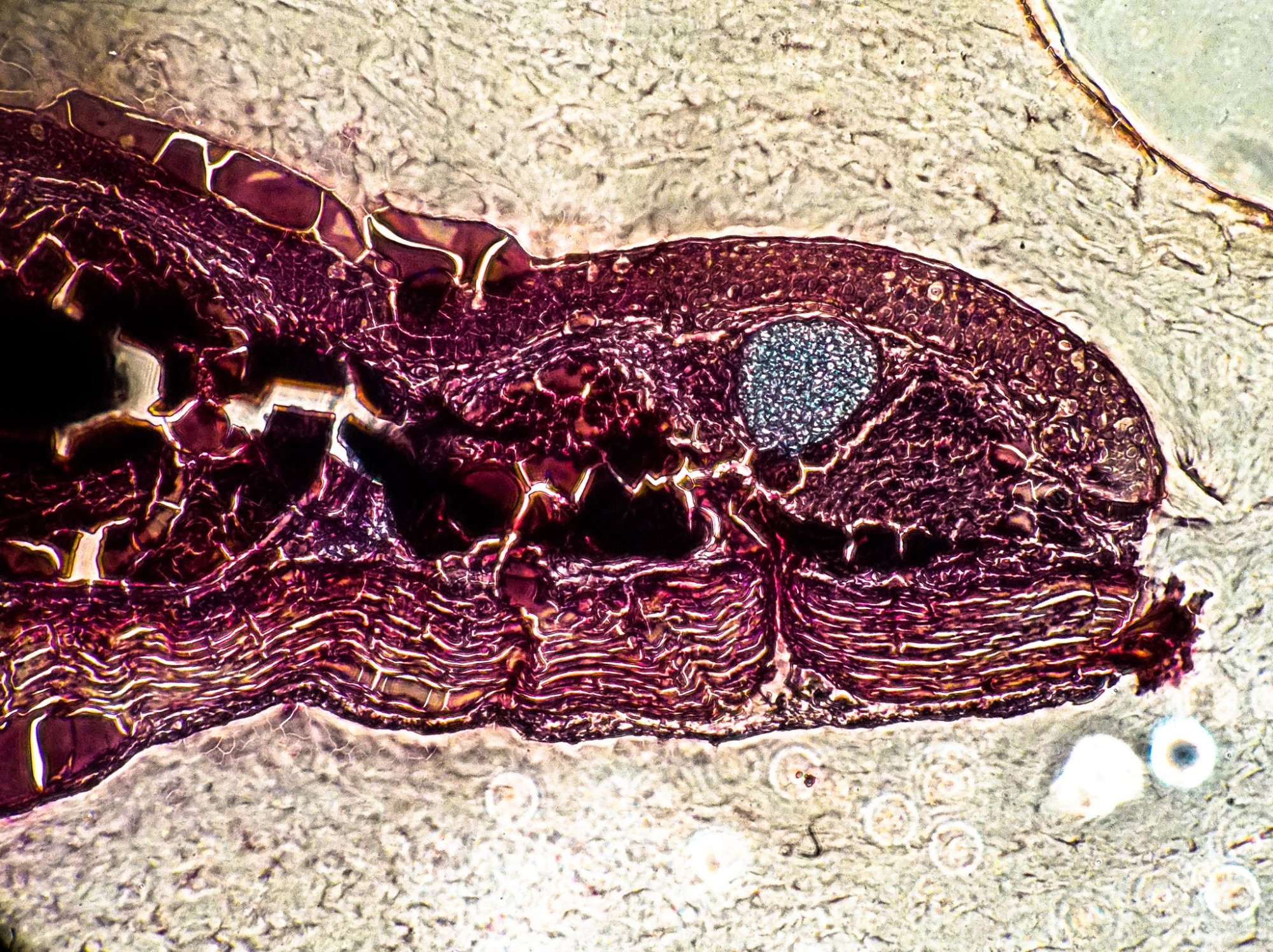
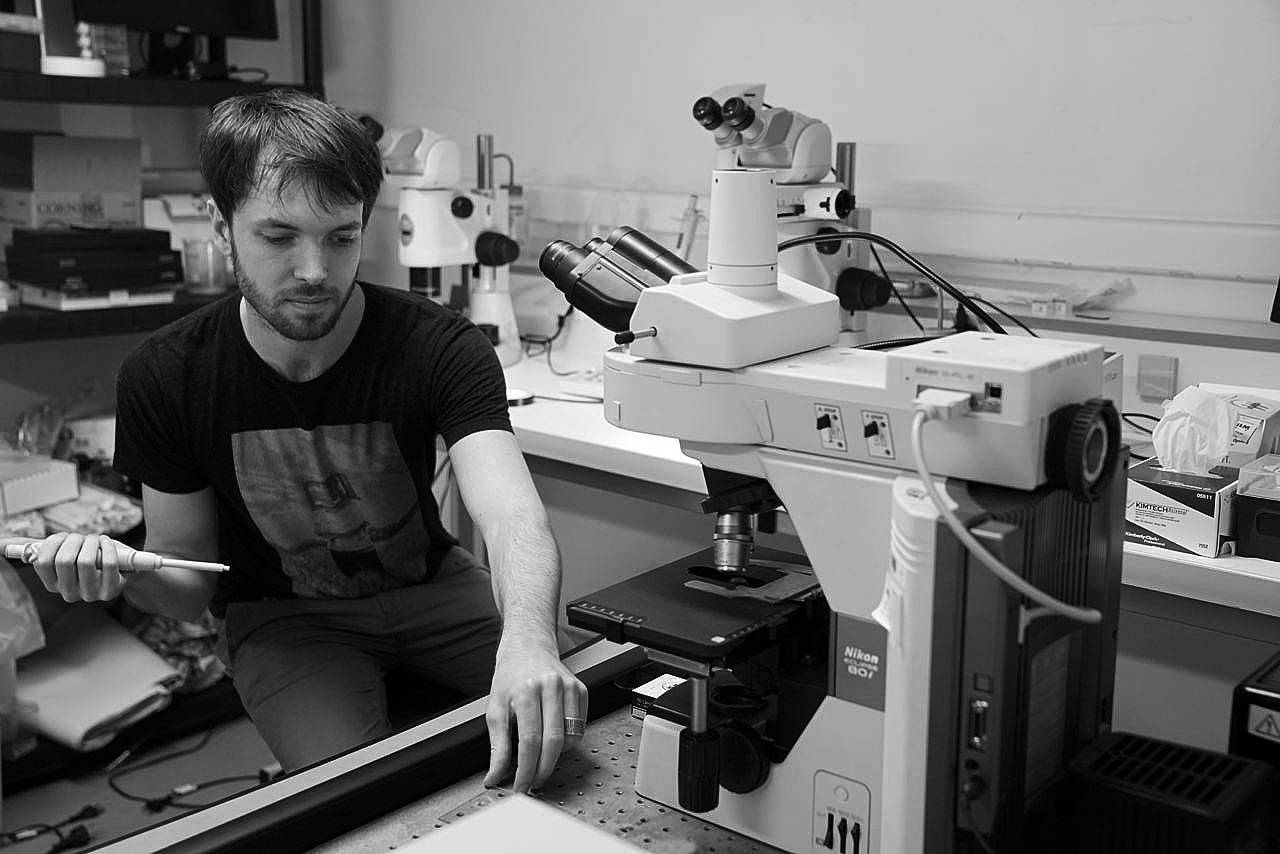
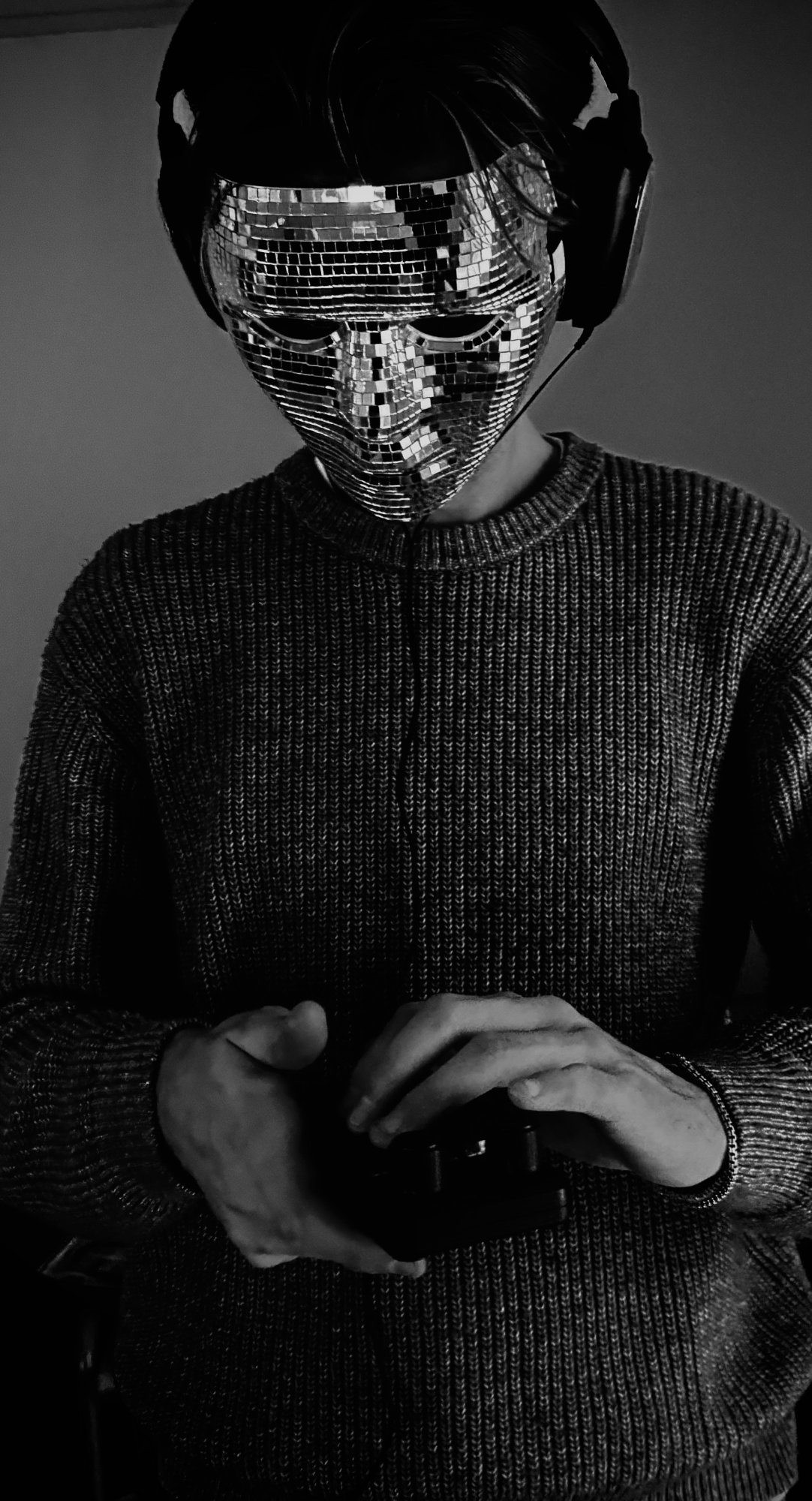
Art above was created in and or shown in France, Italy, UK, UAE and the United States
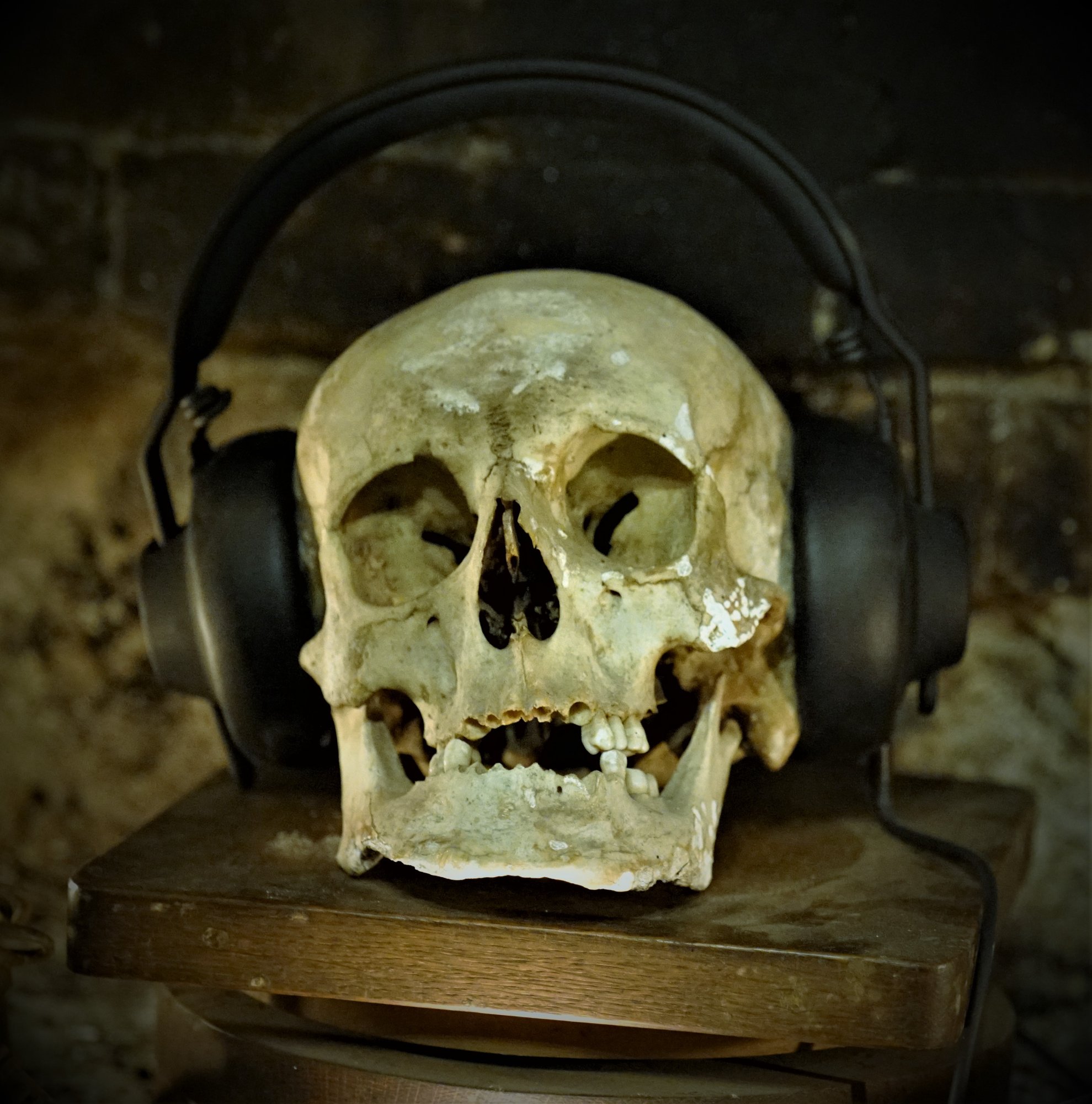
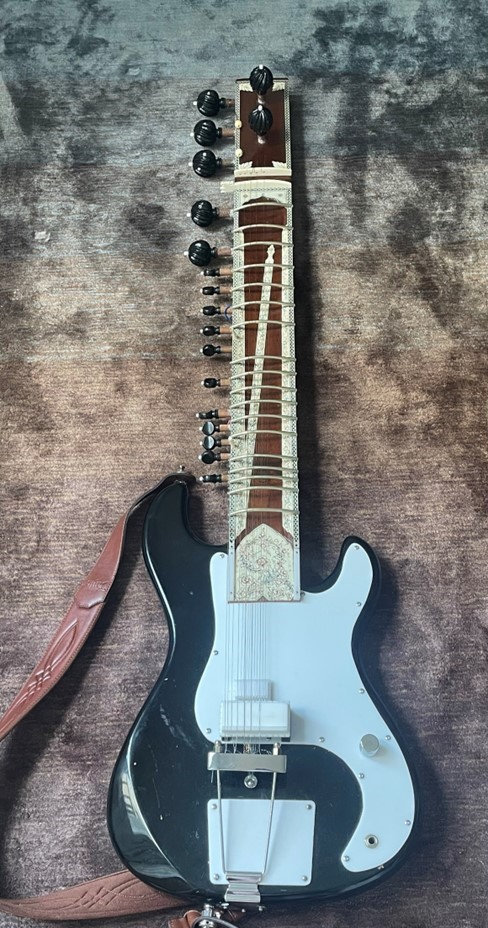
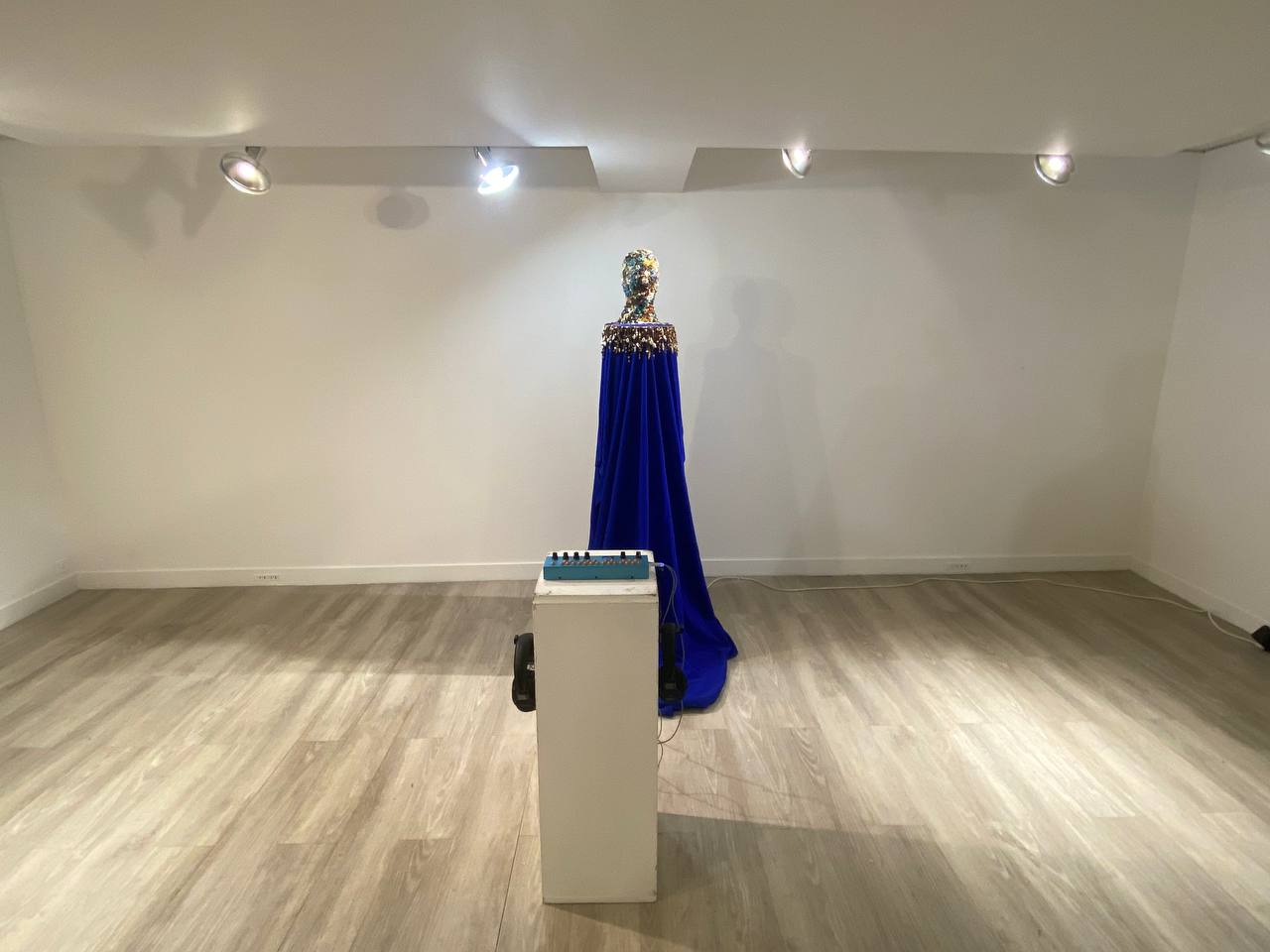
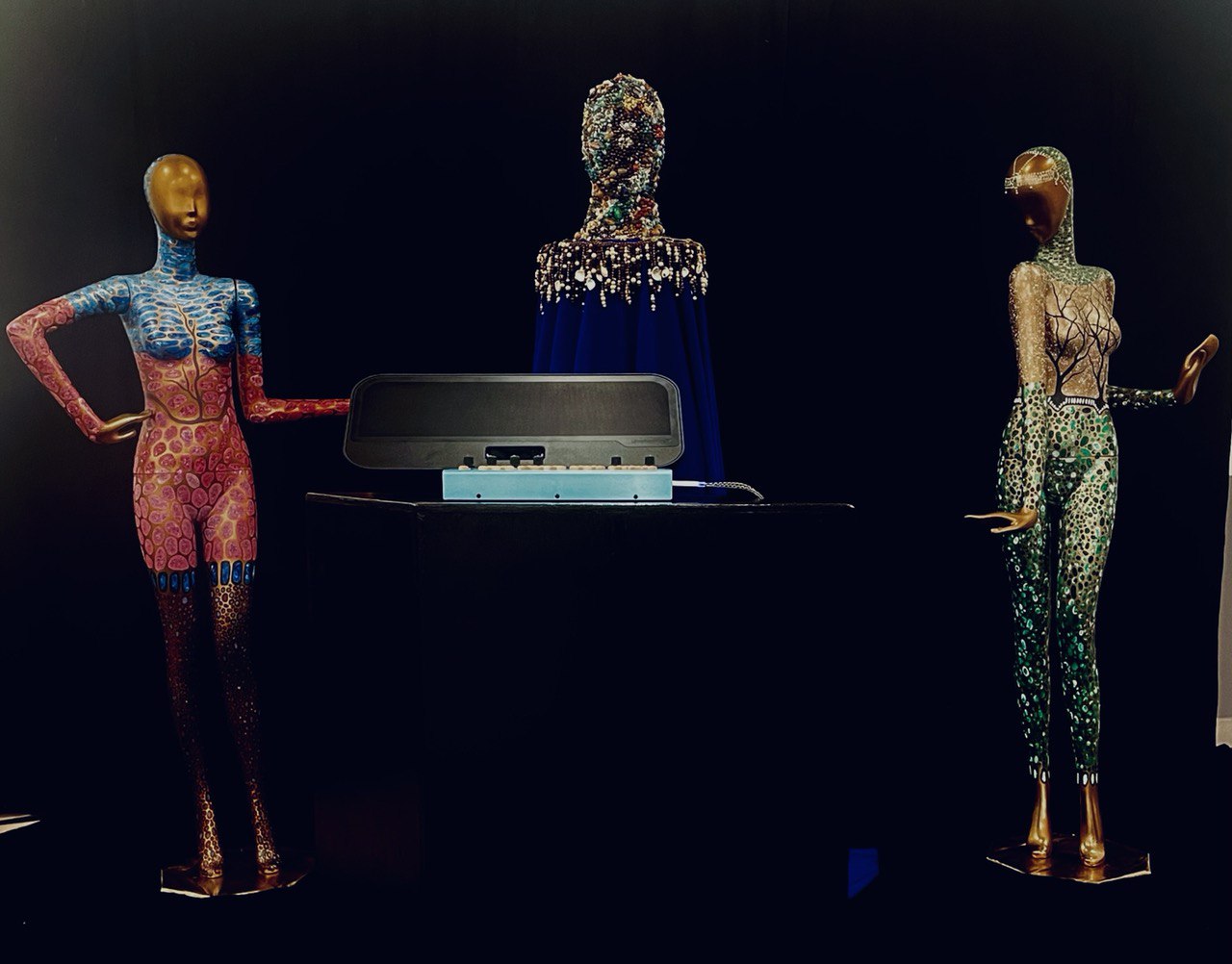
Using 3D sensors and reliable hand tracking software, audiences are able to interact with Le TouT without ever touching it. The individual facing the bust is able to move their hands and alter the sounds that they hear thus creating a personal and unique experience. Depending on where the audience points, pinches, and moves alters and transforms the different sonic experiences and in turn their perception. The haptic feedback module allows the audience to feel physical sensations and tactile feedback as they interact with Le TouT. The public becomes a part of the installation and "gives life" to the installation, by altering and transforming the "voice" of Le TouT.

TakT was a science-art collaboration from 2020 to 2025 between Tyler Kaufman and Adèle Tilouine.
Visit TakT